Author: K-Beauty Glow Routines

  • Korean Skincare Worth Your Money: 6 K-Beauty Products That Actually Earn Their Spot

    You don’t have a skincare problem. You have a too many products problem.

    If your shelf is a graveyard of half-used bottles you bought because of one viral video, you’re not alone — and it’s not your fault. The real skill isn’t buying more. It’s knowing which few products are worth the money for your skin.

    So here are 6 K-beauty products that consistently pull their weight — what each one actually does, the ingredient in plain English, and exactly who it’s for. No fluff. Just pick the ones that match your skin and skip the rest.


    First, K-Beauty Products Ingredient Guide

    Before you buy anything, know what you’re paying for:

    • PDRN – a salmon-derived repair ingredient that supports bounce, firmness and healing.
    • Peptides – tiny “messengers” that tell your skin to firm up and smooth fine lines.
    • Retinal – a stronger, faster cousin of retinol for wrinkles, pores and texture.
    • Azelaic acid – calms redness and fades dark spots without harsh stripping.
    • AHA/BHA/PHA – gentle exfoliating acids that unclog pores and smooth rough skin.
    • Niacinamide & ceramides – the barrier team: brighten, hydrate, and stop irritation.

    Match the ingredient to your goal, and you’ve already spent smarter than 90% of people. New to K-Beauty Products? Start with the right 5 steps for glass skin and add these one at a time.


    1. Medicube PDRN Pink Peptide Serum


    Best for: dullness, early fine lines, “my skin looks tired”

    This is the firm-and-glow serum. It pairs salmon PDRN (repair + bounce) with a stack of peptides, niacinamide and hyaluronic acid to plump skin, even out tone, and bring back that lit-from-within look. (Curious why everyone’s talking about it? Here’s what PDRN actually does.)


    Who should use it: Anyone in their late 20s+ wanting visible firmness and glow, or anyone whose skin looks flat and dull. Gentle enough for most skin types.
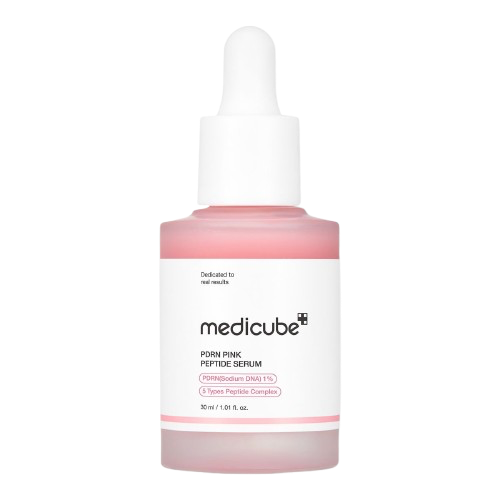
    Shop the Medicube PDRN Pink Peptide Serum →


    2. House of Hur Clearing Skin Prep Essence Pad

    Best for: clogged pores, bumpy texture, oily/combo skin

    A swipe-and-go exfoliating pad with AHA, BHA and PHA plus soothing beetroot and panthenol. It clears dead skin and unclogs pores without the sting — alcohol-free and fragrance-free, so even sensitive skin can use it a few times a week. If you want the full breakdown, here’s my guide to gentle Korean exfoliating for summer.


    Who should use it: Oily, combination or congestion-prone skin tired of rough texture and blackheads. Also great as a quick “prep” step so the rest of your routine absorbs better.
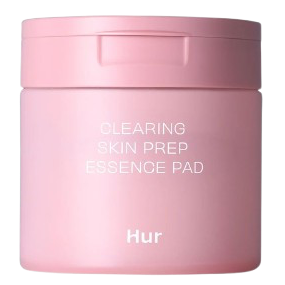
    Shop the House of Hur Essence Pads →


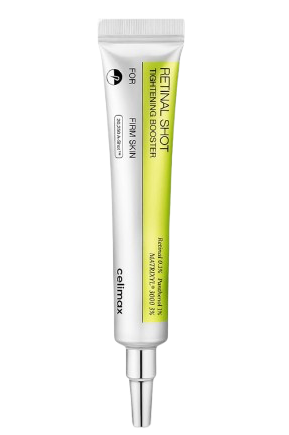
    3. Celimax The Vita-A Retinal Shot Booster

    Best for: wrinkles, large pores, anti-aging that actually works

    This is your “I’m serious about anti-aging now” pick. 0.1% retinal + Matrixyl peptide target fine lines, enlarged pores and texture faster than regular retinol — but it’s formulated to stay barrier-friendly.

    Who should use it: Anyone ready to start (or level up) a retinoid for firmer, smoother skin. Start 2x a week at night, always with SPF the next day. Skip if you’re pregnant or brand-new to actives.
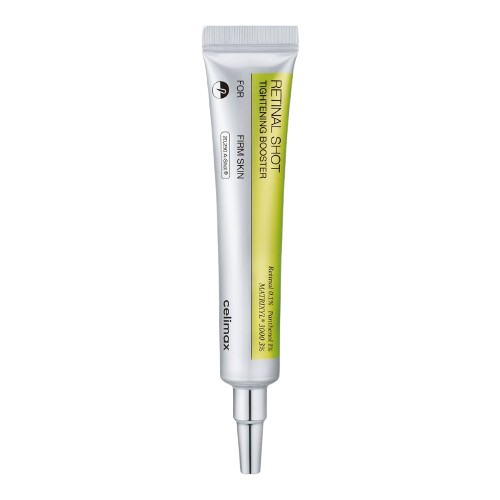
    Shop the Celimax Retinal Shot →


    4. Dr. Althea 345 Relief Cream


    Best for: redness, post-blemish skin, barrier repair

    The calm-it-down cream. A lightweight gel-cream loaded with ceramides, niacinamide, centella and peptides to soothe irritation, fade post-acne marks and rebuild a stressed barrier. Vegan and non-comedogenic, so it won’t clog.


    Who should use it: Sensitive, reactive, or recently over-exfoliated skin. The perfect “buffer” moisturizer to pair with strong actives like retinal.
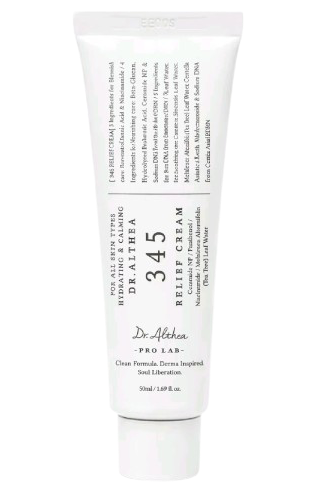
    Shop the Dr. Althea 345 Relief Cream →


    5. Anua Azelaic Acid 10 + Hyaluron Serum

    Best for: redness, breakouts, dark spots, oily/sensitive skin

    A genuine multitasker. 10% azelaic acid quiets redness and fades post-blemish marks while hyaluronic acid keeps things hydrated — lightweight, non-greasy and gentle enough for everyday use.

    Who should use it: Acne-prone, rosacea-prone, or anyone fighting stubborn dark spots and uneven tone without harsh peeling. Beginner-friendly.
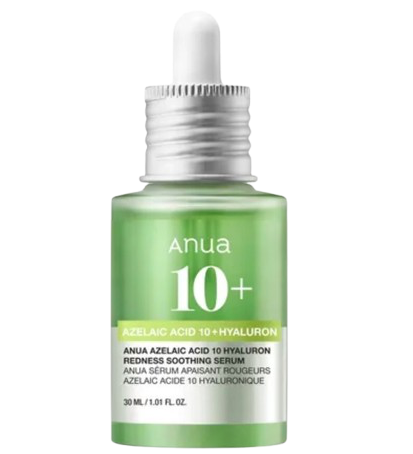
    Shop the Anua Azelaic Serum →


    6. Beplain Mung Bean pH-Balanced Cleansing Foam

    Best for: literally everyone — the daily basics done right

    The unglamorous hero. A low-pH, amino-acid cleanser with mung bean and centella that removes dirt and oil without leaving skin tight or squeaky. Good cleansing is the foundation everything else sits on — get this wrong and the rest is wasted.

    Who should use it: All skin types, especially sensitive and dry skin that hates that “stripped” feeling. The easiest swap on this list. Pair it with the Korean double cleanse method at night to melt off SPF and makeup properly.
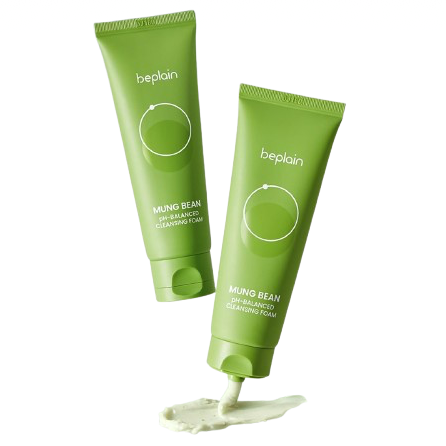
    Shop the Beplain Mung Bean Cleanser →


    Still not sure? Pick by your #1 concern:


    You don’t need all six. Start with the one that solves the problem bugging you most, give it 4 weeks, and build from there. That’s how you get real results with K-Beauty products — and stop wasting money on bottles you’ll never finish.

    Which one fits your skin? Tap your pick above and give it a proper try.


    This post may contain affiliate links. I may earn a commission if you purchase through them, at no extra cost to you.
  • You’re Washing Off Your SPF Wrong — The Korean Double Cleanse for Summer Skin

    You’re Washing Off Your SPF Wrong — The Korean Double Cleanse for Summer Skin

    You wash your face twice a day and still break out in summer. Here’s why: your foaming cleanser isn’t actually removing your sunscreen.

    SPF, sweat, and the extra oil your skin makes in heat all sit on top of your skin in a film that water-based cleansers can’t fully break down. Leave it on overnight and it mixes with sebum, clogs pores, and triggers the exact breakouts you’re trying to avoid.

    The fix is the Korean double cleanse — and choosing the right two cleansers makes all the difference.


    The Korean Double Cleanse Cheat Sheet

    Double cleansing means an oil-based cleanser first to dissolve SPF and sebum, then a water-based one to wash away sweat and residue. Here’s how the four types differ.

    Cleansing oil is a lightweight liquid that melts sunscreen, makeup, and oil, then rinses clean with water. Fast, gentle, and great for oily or breakout-prone skin.

    Cleansing balm is a solid sherbet that warms into an oil on contact. Richer and more cushiony than oil — best for heavy SPF, long-wear makeup, and drier skin.

    Cleansing foam is a foaming second-step wash that lifts sweat and water-based grime. The right one cleans without leaving skin tight.

    Gel cleanser is a lightweight second-step option, and low-pH versions are the gentlest of all — ideal for daily use and mornings, when you don’t need a full double cleanse.

    The summer rule: double cleanse at night (SPF must come off), but in the morning a single gentle gel is plenty. Over-washing strips your barrier and makes oiliness worse.


    Which One Is Right for You?

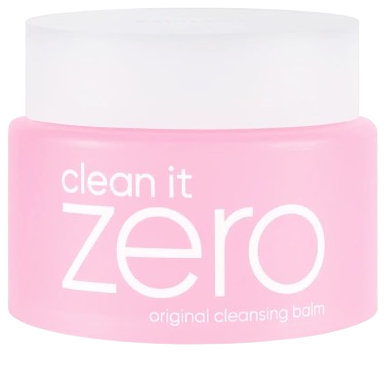
    Banila Co Clean It Zero Cleansing Balm — For heavy SPF, makeup, and normal-to-dry skin. A cult sherbet balm that melts everything off while leaving skin comfortable, never stripped. The gold-standard first cleanse.

    [Shop Banila Co Cleansing Balm]


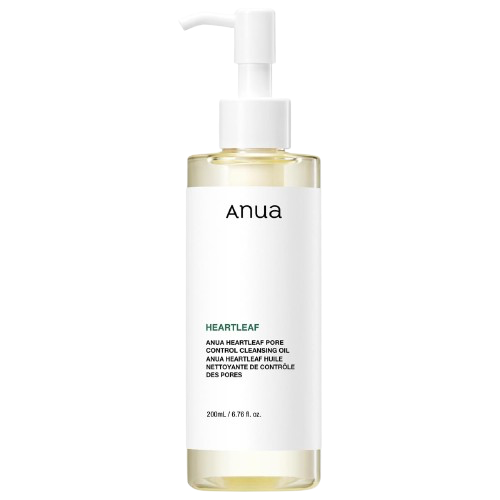
    Anua Heartleaf Cleansing Oil — For oily, sensitive, or breakout-prone skin. A lightweight oil that dissolves sunscreen and sebum, with calming heartleaf to soothe as it cleans. The easiest first cleanse for summer skin.

    [Shop Anua Heartleaf Cleansing Oil]


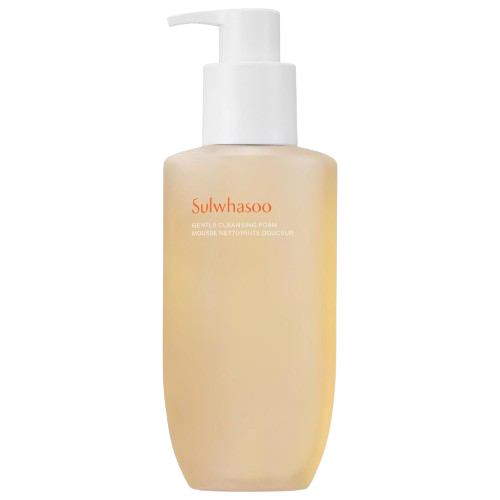
    Sulwhasoo Gentle Cleansing Foam — For a nourishing second cleanse. A creamy herbal foam that removes residue without that tight, squeaky feeling. A more luxurious step for normal-to-dry skin.

    [Shop Sulwhasoo Cleansing Foam]


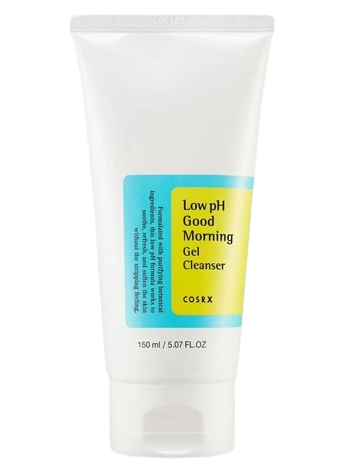
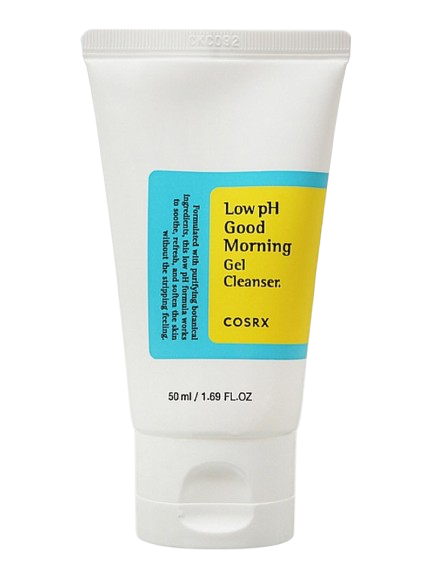
    COSRX Low pH Good Morning Gel Cleanser — For daily, mornings, and sensitive skin. A low-pH gel with a touch of gentle BHA and tea tree that cleans without stripping or disrupting your barrier. The perfect everyday second step.

    [Shop COSRX Low pH Gel]


    At a Glance

    You need Reach forWhen
    1. cleanse, heavy SPF/makeupBanila Co BalmPM
    1. cleanse, oily/sensitiveAnua Heartleaf OilPM
    2. cleanse, nourishingSulwhasoo FoamAM / PM
    2. cleanse, gentleCOSRX Low pH GelAM / PM

    The Golden Rules

    Three things make summer cleansing work.

    Always remove SPF with an oil or balm first — no foam alone gets it all off. Use lukewarm water, never hot, which strips and inflames skin in the heat. And don’t double cleanse in the morning; one gentle gel keeps your barrier intact so your skin isn’t oily by noon.

    Once your skin’s properly clean, everything after it works better — see how the steps fit together in your layering order and night routine guides. And since this is all about removing sunscreen, make sure you’re using the right one to begin with.


    Bottom Line

    Pick your first cleanse by how much you need to remove — balm for heavy SPF and makeup, oil for oily or sensitive skin. Pick your second by your skin type — a nourishing foam for dry, a low-pH gel for everyone else and every morning.

    Remove your SPF properly, keep the water lukewarm, and don’t over-wash. That’s the difference between summer breakouts and clear, calm skin.


    This post may contain affiliate links. I may earn a commission if you purchase through them, at no extra cost to you.
  • AHA, BHA, or Enzyme? The Korean Exfoliator Your Skin Actually Needs This Summer

    Your skin feels more congested in summer — so you scrub harder. That’s exactly the mistake making it worse.

    Heat, sweat, sunscreen, and extra oil all clog pores faster once it’s warm out. But reaching for a harsh scrub strips your barrier, triggers more oil, and leaves skin red and sensitive in the sun. The fix isn’t more exfoliator — it’s the right kind, used gently.

    Here’s how to match the exfoliator to your skin and finally clear that summer congestion.


    The Exfoliator Cheat Sheet

    Not all exfoliants do the same job. Once you know the difference, choosing is easy.

    AHA (like glycolic and lactic acid) works on the surface — it smooths rough texture and brightens dullness. Best for uneven tone and a tired-looking complexion.

    BHA (salicylic acid) is oil-soluble, so it gets inside the pore to dissolve sebum and blackheads. Best for oily, congested, breakout-prone skin.

    PHA and LHA are the gentle cousins — larger molecules that exfoliate slowly with far less irritation. Best for sensitive or reactive skin.

    Enzymes (like papaya/papain) dissolve dead skin without any acid at all. The gentlest option, ideal if acids usually sting.

    The summer rule: go gentler than you think, never daily unless the product says so, and always wear SPF the next morning — exfoliated skin burns faster.


    Which One Is Right for You?

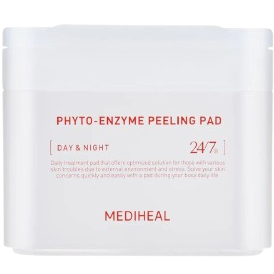
    Mediheal Phyto-Enzyme Peeling Pad — For sensitive skin. Papaya enzyme plus gentle LHA on a dual-sided pad lifts dead skin and softens blackheads without the sting. The easiest, lowest-risk place to start, daily if your skin’s happy.

    [Shop Mediheal Enzyme Pads]


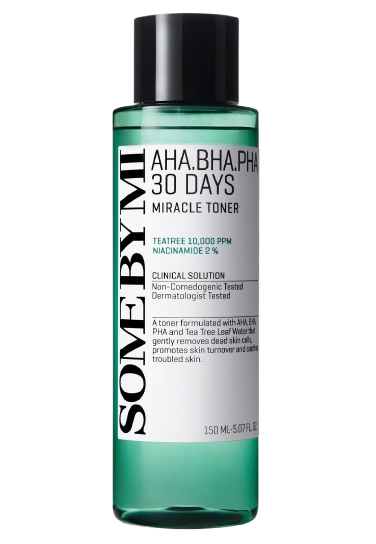
    Some By Mi AHA-BHA-PHA 30 Days Miracle Toner — For acne-prone, congested skin. All three acids in one gentle daily toner, plus tea tree to calm breakouts. The cult favourite for slowly clearing bumpy, troubled skin.

    [Shop Some By Mi Toner]


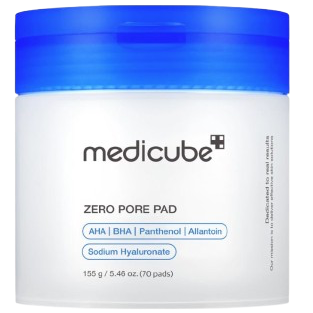
    Medicube Zero Pore Pad 2.0 — For oily skin and stubborn blackheads. A stronger AHA + BHA pad that targets visible pores and excess sebum. Use 2–3 nights a week — skip if your skin is very sensitive.

    [Shop Medicube Zero Pore Pads]


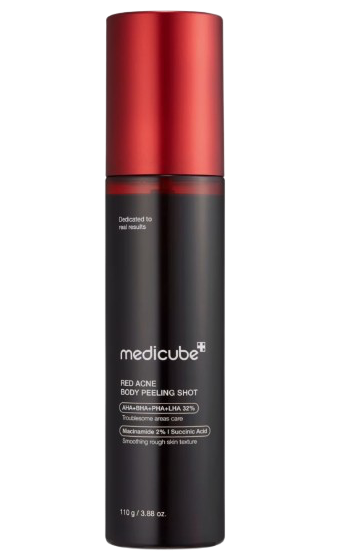
    Medicube Red Acne Body Peeling Shot — For body acne and “strawberry skin.” A 32% AHA+BHA+PHA+LHA spray for back, chest, and arms — the summer hero for sweat-related bacne. Spray on dry skin before showering, wait one minute, rinse. 1–2x a week.

    [Shop Medicube Body Peeling Shot]


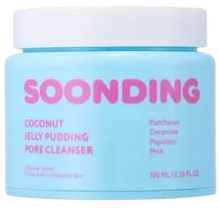
    Soonding Coconut Jelly Pudding Pore Cleanser — For gentle daily pore care. A cushiony jelly cleanser that clears oil and sunscreen without stripping — the perfect everyday base if active exfoliants are too much for daily use.

    [Shop Soonding Jelly Cleanser]


    At a Glance

    Your concern Reach forHow often
    Sensitive Mediheal Enzyme PadsDaily if tolerated
    Acne-prone, congested Some By Me TonerDaily
    Oily, visible poresMedicube Zero Pore Pad2-3x/week
    Body / back / chest Medicube Body Peeling Shot1-2x/week
    Everyday gentle cleansingSoonding Jelly CleanserDaily

    The Golden Rules

    Three things keep summer exfoliation from backfiring.

    Pick one exfoliant and stick with it — layering acids on top of acids (or on top of retinal) is the fast track to a damaged barrier. Start slow and build up; if your skin stings, flakes, or turns red, you’re overdoing it. And exfoliating helps fade marks too, but only if you protect the results — dark spots deepen fast under summer sun.


    Bottom Line

    Match the format to your skin, not the strongest acid on the shelf. Sensitive? Start with enzymes. Breakout-prone? The all-acid toner. Oily with blackheads? Pore pads. Body acne? The peeling spray. Everyone else, keep it simple with a gentle jelly cleanser.

    Exfoliate less, choose smarter, and protect your skin — that’s how you stay clear and glowing all summer.


    This post may contain affiliate links. I may earn a commission if you purchase through them, at no extra cost to you.
  • Why Your Dark Spots Aren’t Fading

    Because You’re Treating the Wrong Layer

    You’ve used a brightening serum for three months. Maybe four. And those marks left behind by old breakouts still won’t budge.

    Here’s what almost nobody tells you: not all “dark spots” are the same — and half of them aren’t even pigment. If you’re treating them all with the same product, you’re fighting the wrong battle.

    Once you know which kind you have, the right product becomes obvious. Let’s sort it out.


    Red Marks vs Brown Marks: They’re Not the Same Thing

    Look closely at your marks. Are they pink-red, or brown-tan? That one detail changes everything.

    Red or pink marks (PIE) are post-inflammatory erythema — lingering redness from damaged tiny blood vessels after a breakout. There’s no extra pigment here, so brightening serums do nothing. PIE needs calming, barrier support, and time.

    Brown or tan marks (PIH) are post-inflammatory hyperpigmentation — excess melanin your skin produced in response to inflammation. This is what brightening ingredients actually target.

    Treating red marks with a melanin-fading serum is like taking cough medicine for a broken arm. Right effort, wrong problem.


    The Ingredients That Actually Work

    For brown spots (PIH), you want melanin-fighters: niacinamide (slows melanin from surfacing), tranexamic acid (reduces melanin production — especially good for hormonal and melasma-type spots), alpha-arbutin (a gentle, beginner-safe brightener), and vitamin C (brightens and defends).

    For red marks (PIE), you want calm-and-repair: azelaic acid (soothes redness while gently fading marks), centella, and barrier-supporting ingredients. A healthy skin barrier is what lets PIE fade in the first place.

    And for both: daily SPF is non-negotiable. Sun exposure deepens every mark and undoes months of progress, so the right Korean sunscreen is the most important “dark spot product” you own.


    Which One Is Right for You?

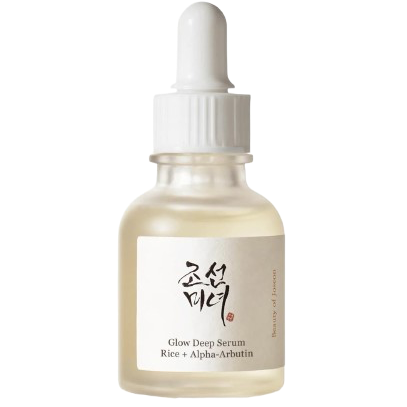
    Beauty of Joseon Glow Deep Serum: Rice + Alpha-Arbutin — For beginners and overall dullness with light brown spots. Rice extract brightens while gentle alpha-arbutin fades discoloration without irritation. The easiest, lowest-risk place to start.

    [Shop Beauty of Joseon Glow Deep]


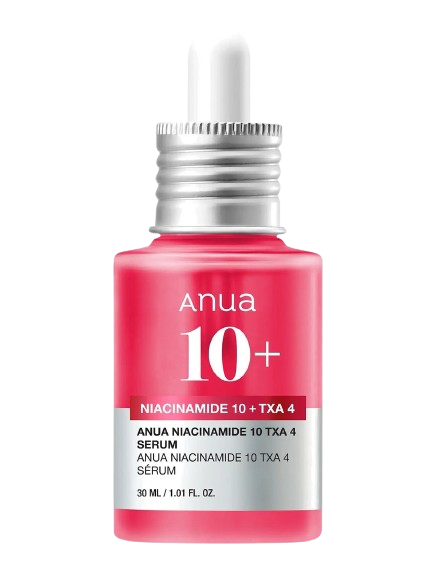
    Anua Niacinamide 10% + TXA 4% Dark Spot Correcting Serum — For stubborn, older, or hormonal brown spots. A concentrated trio of 10% niacinamide, 4% tranexamic acid, and 2% arbutin — the heavy hitter when gentler serums haven’t been enough.

    [Shop Anua Niacinamide + TXA]


    Anua Azelaic Acid 10% Redness Soothing Serum — For red leftover marks (PIE) and acne-prone skin. Azelaic acid calms the redness and gently smooths tone at once, without aggravating active breakouts.

    [Shop Anua Azelaic Acid]


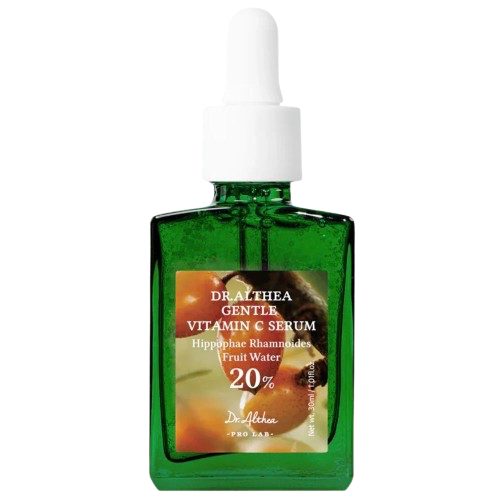
    Dr. Althea Vitamin C Serum — For daytime brightening and preventing new marks. Antioxidant protection that boosts your other actives and stops fresh discoloration from forming. Not sure which Dr. Althea formula suits you? Here’s the breakdown.

    [Shop Dr. Althea Vitamin C]


    At a Glance

    Your marks are…What it isReach for
    Pink/redPIE (inflammation)Anua Azelaic Acid
    Light brownEarly PIHBoJ Glow Deep
    Dark, hormonalStubborn PIH Anua Niacinamide
    All typesDr. Althea Vitamin C

    The Golden Rules

    Three things decide whether your marks fade or stay put.

    First, identify the type before you buy — red vs brown changes your entire approach. Second, introduce one active at a time and give it 8–12 weeks; fading is slow, and switching products every two weeks resets the clock. Third, wear SPF every single morning. There is no version of fading dark spots that works without sun protection.

    If you want to understand why these ingredients work the way they do, this ingredient guide breaks it down simply.

    Match the product to the mark, stay consistent, and give it time. That’s how spots that “never fade” finally do.


    This post may contain affiliate links. I may earn a commission if you purchase through them, at no extra cost to you.
  • Retinal, Retinol, or Bakuchiol? The One That Fits Your Skin

    You bought a retinol. Three weeks later your skin is flaky, red, and somehow looks older. So you quit — and decide anti-aging “just isn’t for you.”

    Here’s the truth: you probably didn’t pick the wrong ingredient. You picked the wrong strength for where your skin actually is.

    Retinal, retinol, and bakuchiol all do the same job — but they’re not interchangeable. Match the right one to your skin and you get smoother, firmer results without the drama. Let’s find yours.


    The Vitamin A Family, Explained Simply

    All three are forms (or alternatives) of vitamin A, the most proven anti-aging ingredient there is. They speed up cell turnover, boost collagen, and soften fine lines. The only real difference is how fast and how strong they work.

    Retinol is the classic. Your skin has to convert it before it can work, which makes it gentler — but slower. A solid starting point if you’ve never used a retinoid.

    Retinal is one step closer to the active form, so it works noticeably faster and stronger. Often delivered in tiny liposomes to stay gentle while still being potent. The sweet spot for visible results without a prescription.

    Bakuchiol is a plant-based alternative that mimics retinol’s effects without the irritation. No purging, no peeling, daytime-safe. The go-to if your skin is sensitive, reactive, or retinoid-intolerant.

    The mistake most people make? Reaching for the strongest option first. That’s what causes the flaking everyone blames on “retinol not working.” Start gentle, build up, and always protect your barrier along the way.


    Which One Is Right for You?

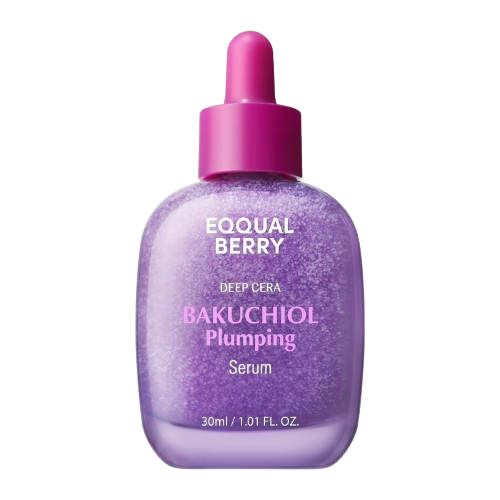
    Eqqualberry Bakuchiol Plumping Serum — For sensitive skin and total beginners. 99% pure bakuchiol with 13 peptides, ceramides, and hyaluronic acid. All the firming, plumping benefits of a retinoid, none of the irritation — and safe for morning or night. The easiest, lowest-risk way to start.

    [Shop Eqqualberry Bakuchiol Serum]


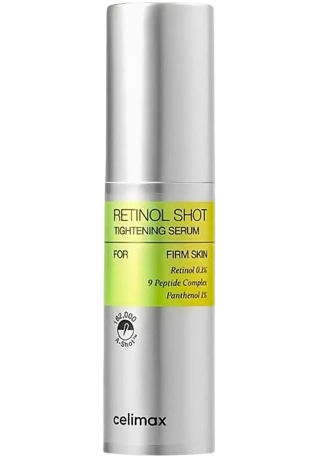
    Celimax The Vita-A Retinol Shot Tightening Serum — For the cautious first-timer ready for real vitamin A. A beginner-friendly retinol that eases your skin into actives. Start 2–3 nights a week and let your skin adjust before going stronger.

    [Shop Celimax Retinol Shot]


    Celimax The Vita-A Retinal Shot Tightening Booster — For experienced users who want faster results. 0.1% nano-retinal (roughly as potent as 0.5–1% retinol) with peptides and spicules for deeper absorption. The tingle means it’s working. Best once your skin already tolerates retinoids.

    [Shop Celimax Retinal Shot]


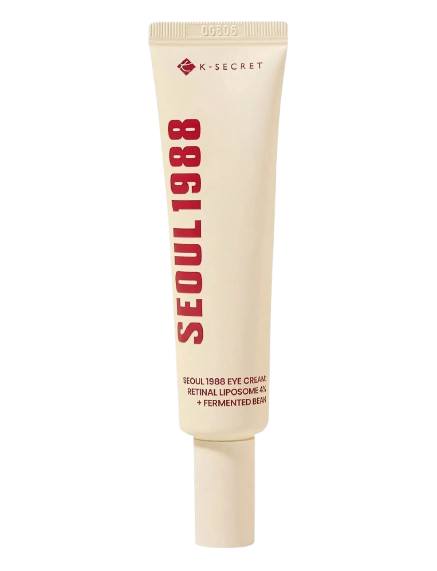
    K-Secret Seoul 1988 Retinal Eye Cream — For fine lines, crow’s feet, and dark circles. The eye area is too delicate for face-strength actives, so this uses gentle liposomal retinal plus bakuchiol and peptides made specifically for it. Add it once your face routine is settled.

    [Shop K-Secret Retinal Eye Cream]


    At a Glance

    ProductBest forStart
    Eqqualberry BakuchiolSensitive skin + beginners AM or PM, daily
    Celimax Retinol ShotFirst real retinoid2-3 nights/week
    Celimax Retinal ShotExperienced, faster result Every other night
    K-Secret Retinal Eye CreamEye-area fine lines2 nights/week, build up

    The Golden Rules (Don’t Skip These)

    Whichever you choose, three things make or break your results.

    Start slow — every other night, not every night. Buffer with moisturiser if your skin is reactive. And wear SPF every single morning, no exceptions: retinoids make skin more sun-sensitive, and unprotected sun undoes everything you’re working toward. (Your Korean vs Western sunscreen guide helps you pick one.)

    These actives go in your serum step at night. Not sure how they fit with everything else? Your layering order guide and night routine walk through the exact sequence.


    Bottom Line

    If your skin is sensitive, start with bakuchiol. If you’re new to vitamin A but ready for it, begin with retinol. If you’ve used actives before and want faster firming, go straight to retinal — and treat your eyes with something made for them.

    Pick the one that matches your skin today, not the strongest one on the shelf. That’s the difference between quitting in three weeks and glowing in three months.


    This post may contain affiliate links. I may earn a commission if you purchase through them, at no extra cost to you.
  • VT Reedle Shot: Which One Actually Works for Your Skin?

    Your VT Reedle Shot stings, leaves you red for an hour, and your skin still looks the same.

    Before you blame the product, know this: most people make one of three mistakes — and any one of them turns a clever little booster into an irritating waste of money.

    The good news? Reedle Shots are one of the few viral K-beauty products that actually live up to the hype, if you pick the right strength and use it correctly. Here’s how to do exactly that.


    What Are Spicules, Really?

    The “needles” aren’t a metaphor.

    Reedle Shots contain microscopic spicules — tiny, crystal-like needle structures derived from freshwater sponge — suspended in a lightweight, fragrance-free essence. VT pairs them with a Centella (cica) complex to keep things calm.

    When you massage them in, the spicules create invisible micro-channels in the very top layer of your skin. That does two things at once. First, the gentle, controlled stimulation nudges your skin’s natural repair response — over time that means smoother texture, a brighter surface, and a more refined look to pores. Second, those tiny channels let whatever you apply next sink in deeper than a normal serum ever could.

    In other words: it’s the at-home cousin of professional microneedling. Gentler and needle-free, but the mechanism is real. Which is exactly why strength matters so much.


    What to Realistically Expect

    Let’s set honest expectations, because the “7-day transformation” videos don’t.

    You’ll feel a tingle within the first minute — that’s normal and means it’s working. What you won’t see is overnight magic. Most people notice smoother, more even texture and a softer “glow” after two to four weeks of consistent, correct use.

    This is a slow-and-steady booster, not an overnight filter. Treat it that way and it delivers.


    The 3 Mistakes That Make Reedle Shots Backfire

    Mistake 1: Applying to damp skin. Always use Reedle Shots on clean, dry skin. Water dilutes the spicules and ramps up the sting without improving results — so you get all of the irritation and none of the payoff.

    Mistake 2: Starting too strong. A higher number is not “better,” it’s more intense. Jumping straight to a high strength on unprepared skin is the fastest way to redness, flaking, and a stripped barrier. Build up gradually.

    Mistake 3: Skipping the seal. Spicules open up your skin slightly, so the step after them matters. Always follow with a calming, barrier-supporting moisturiser. And if your skin already feels reactive, get your barrier stable first before adding any spicule product at all.


    Which Strength Is Right for You?

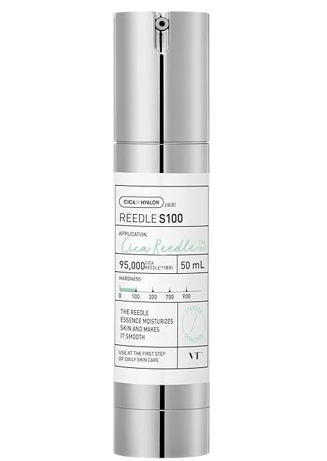
    VT Reedle Shot 100 — The starting point for most people. A mild tingle that fades within minutes. Best for beginners or sensitive-to-normal skin targeting dullness and uneven texture. Start 1–2 nights a week, then build up as your skin adjusts.

    [Shop Reedle Shot 100]


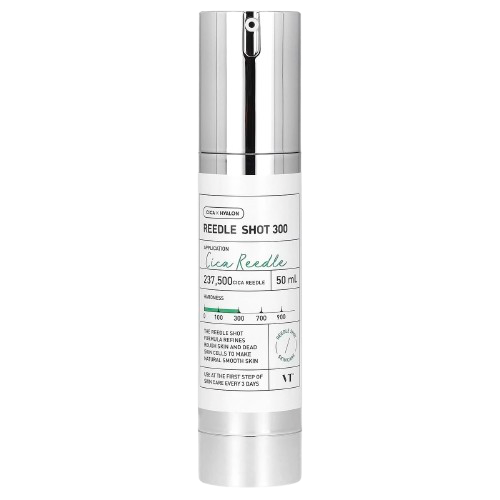
    VT Reedle Shot 300 — The most popular version in Korea, and a clear step up in intensity. Choose this if you’ve already used retinol or exfoliating acids and want to tackle stubborn texture, visible pores, or post-acne marks. Use every 3–5 nights, not daily.

    [Shop Reedle Shot 300]


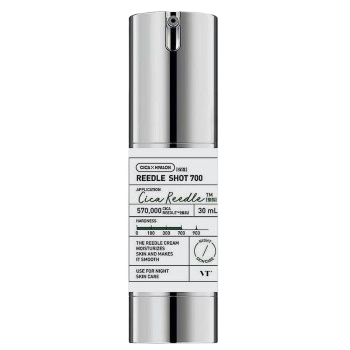
    VT Reedle Shot 700 — The strongest core option, closest to an at-home treatment session. For experienced users who already know how their skin handles intensity and want faster, more visible results. Once a week, full stop.

    [Shop Reedle Shot 700]


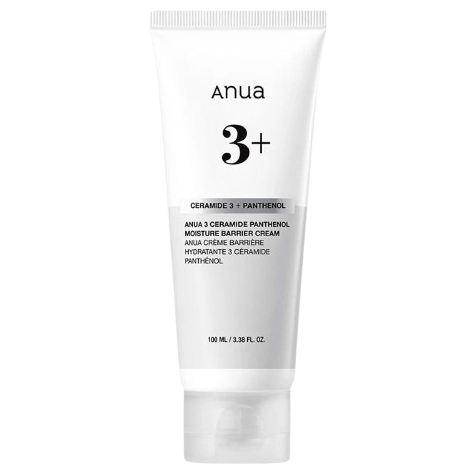
    Anua 3 Ceramide Panthenol Cream (pair with any of the above) — The seal-and-calm step that makes spicules safe to use long-term. Ceramides rebuild the barrier while panthenol soothes any post-treatment sensitivity, so you get the renewal without the angry skin.

    [Shop Anua Ceramide Cream]


    At a Glance

    Strength Best forHow often
    Reedle Shot 100Beginners, Sensitive skin 1-2x/week, built up
    Reedle Shot 300Used actives before, textured skinEvery 3-5 nights
    Reedle Shot 700Experienced, intensive resultsOnce a week

    Who Should Skip the VT Reedle Shot (for Now)

    This is the part most reviews leave out.

    If your skin is currently broken out with active, inflamed acne, dealing with eczema or open irritation, or in the middle of a barrier flare, hold off. The micro-channels that make spicules effective can aggravate already-compromised skin. Always patch test on your jaw for a couple of nights first, and if you’re pregnant or on prescription actives, check with your derm before adding anything new.

    There’s no prize for pushing through irritation. Calm, stable skin gets far better results than rushed, reactive skin ever will.

    How to Slot It Into Your Routine

    Your VT Reedle Shot goes on right after cleansing, before your serums — think of it as the “step zero” that helps everything after it absorb better. That’s also why it pairs beautifully with regeneration ingredients like PDRN, which sinks in deeper once those channels are open.

    Not sure what goes where? Your Korean layering order and night routine guides walk through the exact sequence.

    Start gentle. Stay consistent. Seal it in. Your skin will tell you when it’s ready for more.


    This post may contain affiliate links. I may earn a commission if you purchase through them, at no extra cost to you.
  • Korean Night Skincare Routine: 5 Powerful Reasons Yours Isn’t Working

    Most people think night skincare routine is about what you put on your skin.

    It’s actually about what you take off first — and what you seal in last.

    If your skin doesn’t look noticeably better by morning, the issue usually isn’t your serums. It’s the steps around them. Here’s the Korean night routine that fixes that, built around four products with a very specific purpose each.


    Step 1: Korean Night Skincare Routine Starts With Double Cleansing

    Serums applied over sunscreen residue and daily pollution don’t absorb. They sit on top of debris and do very little.

    Korean skincare solves this with two cleansers used back to back.

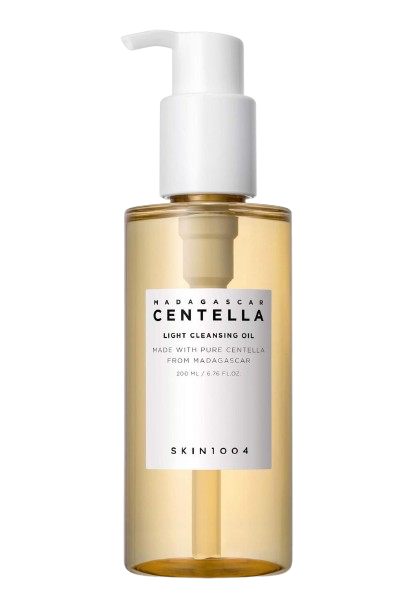
    Skin1004 Centella Ampoule Cleansing Oil goes on dry skin first. It dissolves SPF, makeup, and excess sebum — the oil-based layer that water-based cleansers leave behind. The centella extract keeps the process soothing rather than stripping, which makes it a strong choice for reactive or sensitive skin.

    SKIN1004 Centella Oil Cleanser

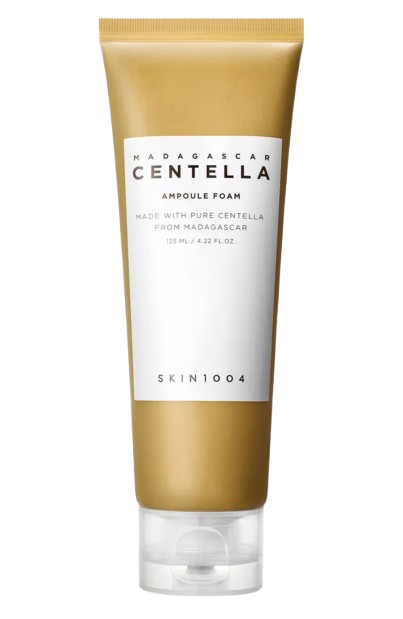
    Skin1004 Centella Foam Cleanser follows on damp skin. It removes the water-based layer — sweat, toner residue, anything remaining after the oil step. Again, centella keeps the formula calming rather than harsh.

    SKIN1004 Centella Foaming Cleanser

    Using both from the same line means a consistent, gentle formula across both steps — no pH conflict, no irritation between the two.

    Who it’s for: All skin types. Non-negotiable if you wear SPF daily. A single cleanser — even a good one — doesn’t fully remove sunscreen.


    Step 2: Pore Treatment — Medicube Zero Pore Pad 2.0

    After cleansing, this is the step most people skip — and the one that makes the biggest visible difference to texture over time.

    Medicube Zero Pore Pad 2.0 is a pre-soaked exfoliating pad with BHA and PHA. Swipe it gently across the face after cleansing.

    BHA goes inside the pore and dissolves the buildup that causes congestion and enlarged pore appearance. PHA smooths the surface without the irritation AHAs can cause on sensitive skin.

    With consistent use: visibly cleaner pores, smoother texture, and skin that reflects light more evenly.

    Who it’s for: Oily, combination, or congested skin. Use 3 to 4 nights per week — not every night. Skip it if your barrier is currently compromised. Getting your barrier stable first makes every step after this work significantly better.

    Medicube Zero Pore Pad


    Step 3: Serum — Your Targeted Treatment

    This is your active treatment window. Skin is freshly exfoliated and at its highest absorption point of the day.

    Apply your targeted serum here — the Medicube PDRN Serum for repair and collagen support, Celimax Retinal Shot for resurfacing nights, or a brightening serum if uneven tone is your main concern.

    Not sure which order multiple serums go in? The Korean layering guide covers the exact sequence.


    Step 4: Moisturiser — Anua 3 Ceramide Panthenol Cream

    After serums, you need a moisturiser that seals everything in without sitting heavily on the skin.

    Anua 3 Ceramide Panthenol Cream does exactly that. The ceramide complex strengthens the skin barrier while panthenol — one of the most effective soothing ingredients in Korean skincare — calms any residual sensitivity from the pore pads or active serums. It’s rich enough to genuinely lock in moisture overnight, but lightweight enough not to feel uncomfortable.

    Who it’s for: All skin types. Especially effective if you’re using actives in your routine and need a moisturiser that repairs rather than just hydrates. Works on oily skin too — apply a thinner layer and let it absorb fully before the next step.

    Anua Ceramide 3 + Panthenol Cream


    Step 5: Overnight Mask — Abib Rice Probiotics Barrier Sleeping Mask

    The final step. Applied over your moisturiser to seal everything in.

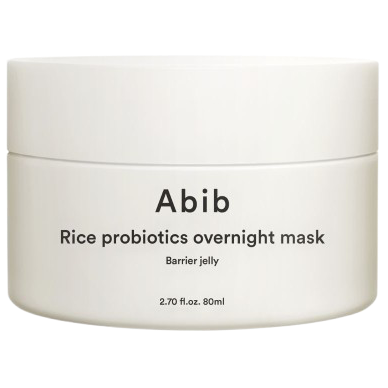
    Abib Rice Probiotics Barrier Sleeping Mask adds two things while you sleep: rice extract for gradual brightening and a more even complexion over time, and probiotics that support your skin microbiome — increasingly linked to long-term barrier strength and reduced sensitivity.

    It’s lightweight enough to use every night without feeling heavy. Apply a thin, even layer. Nothing goes on top.

    Who it’s for: All skin types. Most noticeable for anyone targeting dullness or a lack of morning glow. Pairs well with a silk pillowcase — the mask stays in place and works undisturbed overnight.

    Abib Rice Probiotics Overnight Mask


    Your Korean Night Routine at a Glance

    1. Oil Cleanser — Skin1004 Centella Ampoule Cleansing Oil
    2. Foam Cleanser — Skin1004 Centella Foam Cleanser
    3. Pore Pads — Medicube Zero Pore Pad 2.0 (3–4 nights/week)
    4. Serum — your targeted treatment
    5. Moisturiser — Anua 3 Ceramide Panthenol Cream
    6. Overnight Mask — Abib Rice Probiotics Barrier Sleeping Mask

    Start Small, Build From There

    You don’t need all six steps from night one.

    Start with the double cleanse and the overnight mask. Those two changes alone will show results within a week — cleaner skin at the base, more hydrated skin by morning.

    Add the pore pads next. Then your serum once you know what you’re targeting.

    Each step makes the ones around it more effective. That’s the logic behind Korean night skincare routine — not one product that fixes everything, but a sequence where nothing is wasted.


    This post may contain affiliate links. I may earn a commission if you purchase through them, at no extra cost to you.
  • You Have Great Korean Products — But Are You Using Them in the Right Order?

    Most people layer their skincare by feel. Thinnest first, thickest last, somewhere in between — hope for the best.

    The problem is that Korean skincare is actually built on a specific sequence. Apply things in the wrong order and you’re either blocking absorption, neutralising ingredients that shouldn’t touch, or just wasting what you paid for.

    These 6 products cover every step of a complete Korean routine. Here’s exactly where each one goes, why the order matters, and who each product is actually built for.


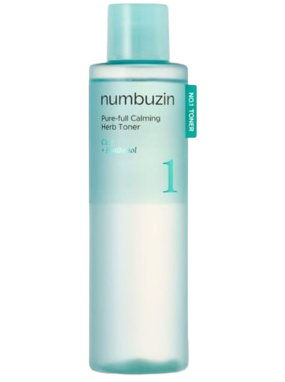
    Step 1: Toner — Numbuzin No.1 Skin Softening Toner


    Most Western toners strip. Korean toners do the opposite — they prep.
    Applied right after cleansing on slightly damp skin, a Korean toner restores your skin’s pH balance and creates a hydrated base that helps every product applied after it absorb properly. Think of it as priming a wall before painting. Skip this step and your serums sit on the surface instead of sinking in.


    Numbuzin No.1 is built around deep hydration and skin softening. It’s packed with panthenol and moisture-binding ingredients that immediately reduce any tightness left after cleansing — leaving skin plump, calm, and ready to absorb everything that comes next.
    It is create the ideal surface for the rest of your routine to work properly — which is exactly what a first step should do.


    Who it’s for: Dry, dehydrated, or tight skin. Also ideal for anyone whose skin feels uncomfortable after cleansing, or anyone building a routine with active ingredients who needs a gentle, non-competing prep step first.

    Numbuzin No.1 Calming Toner


    Step 2: Treatment Serum — Choose Based on Your Main Concern

    This is where you target your specific skin issue. Apply after toner while skin is still slightly damp.

    If repair and hydration is your priority → Medicube PDRN Pink Peptide Serum

    PDRN (Polydeoxyribonucleotide) is the ingredient Korean dermatology clinics have been using for years, now available in consumer skincare. It works by signalling your skin to repair itself at a cellular level — faster collagen turnover, better moisture retention, visibly smoother texture over time.

    It’s not an overnight fix, but it’s one of the most clinically supported ingredients in K-beauty right now.

    Who it’s for: Skin with visible damage — dullness, fine lines, post-breakout marks, or anyone whose skin just doesn’t bounce back the way it used to. Also works well after barrier disruption.

    Medicube PDRN Pink Peptide Serum


    If resurfacing and anti-aging is your priority → Celimax Retinal Shot Serum

    Retinal (not retinol) is the upgraded version that works faster with less irritation. It converts to retinoic acid in the skin more efficiently, which means you get the resurfacing and collagen-stimulating benefits at a lower concentration — with less of the peeling and redness that retinol is known for.

    Who it’s for: Anyone targeting fine lines, uneven texture, or dull skin who has tried retinol and found it too harsh — or anyone ready to level up from a basic serum. Use at night only. Start 2–3 nights per week and build up.

    Important: Do not layer Celimax Retinal and Medicube PDRN on the same night. Pick one for evenings. PDRN works well for repair on lower-intensity nights; retinal for active resurfacing nights.

    Celimax Retinal Shot Booster


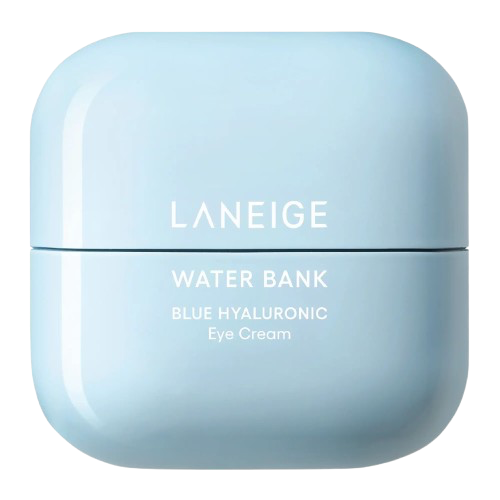
    Step 3: Eye Cream — Laneige Water Bank Blue Hyaluronic Eye Cream

    Eye cream goes on before your moisturiser — not after.

    The skin around the eye is thinner and more delicate than the rest of your face. It needs its own hydration source and doesn’t benefit from the heavier occlusive ingredients often found in face moisturisers.

    Apply with your ring finger using a light tapping motion. Never drag.

    Laneige Water Bank delivers multiple types of hyaluronic acid to the eye area, which means it hydrates across different layers of skin — not just the surface. The result is a visibly less creased, more awake-looking eye area with consistent use.

    Who it’s for: Anyone with dryness, fine lines, or puffiness around the eyes. Also perfect as a first eye cream for someone who’s never used one — it’s lightweight, non-irritating, and works well under makeup.

    Laneige Hyaluronic Eye Cream


    Step 4: Moisturiser — Dr. Althea 345 Relief Cream

    Moisturiser seals in everything you’ve applied and prevents water loss throughout the day or night.

    Most people apply too little. You need enough to form an actual protective layer — not just a thin swipe.

    Dr. Althea 345 Relief Cream is a soothing, barrier-focused moisturiser built around calming and repairing skin rather than treating it aggressively. It’s lightweight enough to layer without heaviness, but substantive enough to properly seal in serums and lock moisture in overnight.

    What makes it a smart pairing for this routine is that it works with everything — it doesn’t conflict with the PDRN serum, it won’t interfere with the retinal on active nights, and it’s gentle enough for daily use morning and evening.

    Who it’s for: Any skin type, but especially skin that’s sensitive, compromised, or recovering. If your skin tends to react to richer creams or feels congested after moisturising, this is the format that works without pushing skin over the edge. Also ideal for layering under sunscreen in the morning without pilling.

    Dr. Althea 345 Relief Cream


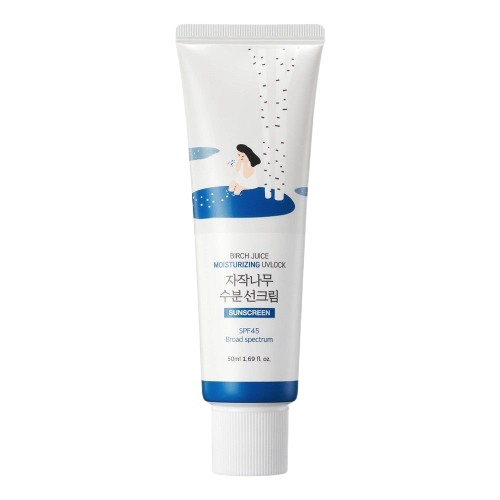
    Step 5 (Morning Only): Sunscreen — Round Lab Birch Juice Moisturising Sun Cream SPF50+

    Sunscreen is not optional. It is the step that determines whether everything else you do actually works.

    Retinal, niacinamide, PDRN — all of these ingredients make your skin more effective at repairing and renewing itself. Without SPF in the morning, UV exposure undoes that work faster than the products can deliver it.

    Round Lab Birch Juice Sun Cream is one of the most popular sunscreens in Korean skincare for a reason. It applies as a moisturiser, leaves no white cast, and doesn’t pill under makeup. The birch juice in the formula adds hydration while the SPF50+ PA++++ rating blocks both UVA and UVB.

    Apply as your final morning step — after moisturiser, before any makeup. Use a full two-finger-length amount. Most people apply half of what they need.

    Who it’s for: Every skin type. A must if you’re using Celimax Retinal in this routine. Also works as a standalone moisturiser-sunscreen for minimal morning routines.

    Round Lab Birch Juice Sunscreen


    Your Complete Routine at a Glance

    Morning

    1. Cleanser
    2. Numbuzin No.3 Toner
    3. Medicube PDRN Serum (skip on retinal nights — use mornings instead)
    4. Laneige Water Bank Eye Cream
    5. Dr. Althea 345 Relief Cream
    6. Round Lab Birch Juice Sun Cream

    Evening

    1. Double cleanse
    2. Numbuzin No.3 Toner
    3. Celimax Retinal Shot (3–4 nights/week) or Medicube PDRN (alternate nights)
    4. Laneige Water Bank Eye Cream
    5. Dr. Althea 345 Relief Cream

    Where to Start If This Feels Like a Lot

    You don’t need all six products at once.

    Start with the toner, one serum, and the sunscreen. That alone is a functional Korean routine. Add the eye cream and relief cream next. Then layer in the Celimax Retinal once your skin is stable and comfortable with the basics.

    This routine is designed to grow with you — not overwhelm you from day one.


    This post may contain affiliate links. I may earn a commission if you purchase through them, at no extra cost to you.

  • These 3 Korean Ingredients Fix Different Problems

    If Your Skin Is Red, Dull, or Congested — Here’s How to Choose the Right One

    Most people pick a serum based on what’s trending. Then wonder why it’s not working.

    The problem isn’t the product. It’s that they chose an ingredient designed for a different skin concern than theirs.

    Redness, dullness, and congestion all look similar on the surface. But they have different causes — and need different solutions. Here’s exactly how to tell them apart and choose the right ingredient for what your skin is actually doing.


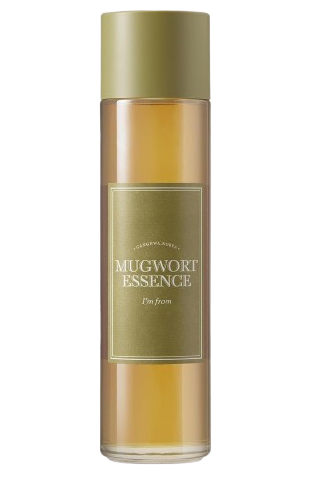
    Ingredient 1: Mugwort — For Skin That Stays Red and Reactive

    If your skin flushes easily, feels tight after cleansing, or reacts to products that never used to bother you, your skin is inflamed.

    Mugwort is a plant that’s been used in Korean herbal medicine (hanbang) for over a thousand years. In skincare, it works as an anti-inflammatory — it calms the immune response that causes redness and sensitivity at the surface.

    What makes it different from other soothing ingredients is that it works fast. Most people notice less redness within a few days of consistent use.

    Who should use it: Sensitive, reactive, or rosacea-prone skin. Skin that’s been over-treated with acids or actives and needs to calm down first.

    How to use it: Apply after cleansing, before moisturizer. Use it daily — it’s gentle enough for both morning and night.

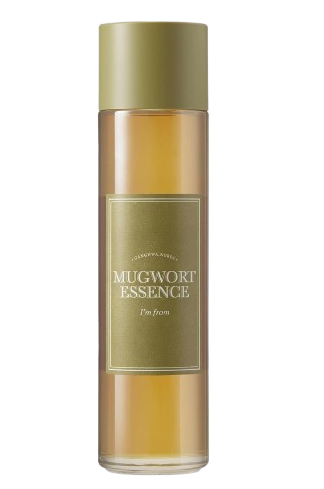
    I’m From Mugwort Essence


    Ingredient 2: Ginseng — For Skin That Looks Tired and Dull

    Ginseng does something most soothing ingredients don’t: it actively works to improve skin quality over time.

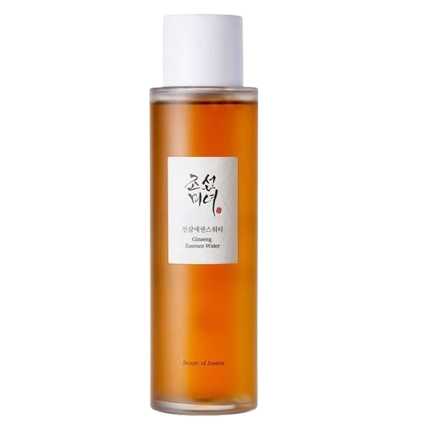
    It’s rich in ginsenosides — compounds that stimulate circulation, support collagen production, and help skin look firmer and more radiant. Korean skincare has used ginseng as an anti-aging ingredient for decades, long before peptides became a trend in Western beauty.

    This isn’t an ingredient you’ll feel working immediately. It’s a slow, consistent improver — the kind that makes someone say “your skin looks different” after a few weeks, without them being able to explain why.

    Who should use it: Skin that looks flat, tired, or has lost its natural glow. Works especially well for aging or mature skin, or anyone whose skin just never looks quite awake — even with a full routine.

    How to use it: Apply in the morning after toner, before moisturizer. It layers beautifully under sunscreen.

    Beauty of Joseon Gingseng Essence


    Ingredient 3: Azelaic Acid — For Congestion, Uneven Skin Tone, and Breakouts

    Azelaic acid is the quietest overachiever in Korean skincare. It doesn’t get the same attention as vitamin C or retinol, but it does more for congested skin than almost anything else.

    It works on three levels at once: it gently unclogs pores, calms the bacteria that causes acne, and fades post-breakout dark spots — all without irritating the skin the way stronger actives can.

    It’s also one of the few brightening ingredients that’s safe for sensitive skin. If you’ve reacted to vitamin C or found niacinamide didn’t do quite enough, azelaic acid is often the missing piece.

    Who should use it: Oily or combination skin with congestion, frequent breakouts, or stubborn post-acne marks. Also works well for anyone dealing with hyperpigmentation or uneven texture.

    How to use it: Use at night, after cleansing and toning. It doesn’t need to be applied every single day to work — 4 to 5 nights a week is enough for most people.

    Anua Azelaic Acid 10+ Hyaluron Serum


    So — Which One Is Right for You?

    Here’s the simplest way to decide:

    Your main concernThe ingredient
    Redness, sensitivity, reactive skinMugwort
    Dullness, lack of radiance, tired-looking skinGinseng
    Congestion, breakouts, uneven skin toneAzelaic Acid

    If you’re dealing with more than one issue — redness and dullness, for example — start with whichever concern bothers you most. Get that stable first, then layer the second ingredient in after two to three weeks.


    The Order If You’re Using More Than One

    All three of these ingredients can work together. If you’re using multiple, apply them in this order:

    Morning: Ginseng Essence → Moisturizer → Sunscreen

    Evening: Mugwort Essence → Azelaic Acid Serum → Moisturizer

    The ginseng goes in the morning because it supports your skin’s radiance during the day. The azelaic acid goes at night because it works best without UV exposure. Mugwort can go morning or evening — layer it underneath your treatment serum.


    The Takeaway

    These three ingredients cover most of what makes skin look and feel off. The key is choosing based on your actual concern — not what’s trending.

    Mugwort for calm. Ginseng for glow. Azelaic acid for clarity.

    Pick the one that matches what you see in the mirror right now. Start there.


    This post may contain affiliate links. I may earn a commission if you purchase through them, at no extra cost to you.

  • Why Your Skin Barrier Still Won’t Heal

    Even When You’re Using Ceramides and Snail Mucin

    You’ve tried the ceramides. You added snail mucin. You stopped exfoliating as much.

    And your skin is still tight, reactive, or breaking out.

    Here’s what most skincare content won’t tell you: the problem usually isn’t what you’re missing. It’s what you’re still doing — every single day — that’s quietly undoing all the repair.


    The Real Reason Your Barrier Keeps Breaking Down

    Your skin barrier is a thin protective layer that keeps moisture in and irritants out. When it’s damaged, skin gets dehydrated, red, sensitive, and prone to breakouts — no matter how many products you layer on top.

    The frustrating part? A lot of common skincare habits re-damage it faster than it can heal.

    Here are the three most common culprits:

    1. Your cleanser is stripping more than it cleans.
    Most foaming cleansers have a high pH that disrupts your skin’s natural acid mantle. You can feel it — that “squeaky clean” tightness after washing. That feeling is barrier damage, not cleanliness.

    2. Your actives are fighting each other.
    Vitamin C in the morning, retinol at night, exfoliating acids in between. Each one is fine on its own. But stacked together without recovery time, they keep your barrier in a constant state of low-level stress — what Korean dermatologists call inflammaging.

    3. You’re moisturizing a compromised surface.
    If your cleanser stripped the barrier and your actives inflamed it, your ceramide cream is essentially trying to fill a bucket with a hole in it. It helps temporarily. But it can’t seal what’s still being broken.


    What Actually Heals the Barrier

    Before adding anything new, simplify.

    Korean dermatology leans heavily on two principles: gentle first, active second. The goal isn’t to treat your skin harder — it’s to create the conditions where it can repair itself.

    Practically, that means:

    • Switching to a low-pH, non-foaming cleanser
    • Pausing aggressive actives for at least 2 weeks
    • Using one targeted repair ingredient instead of five

    Which Ingredient Is Right for You

    Not all barrier repair ingredients work the same way. Here’s how to choose:

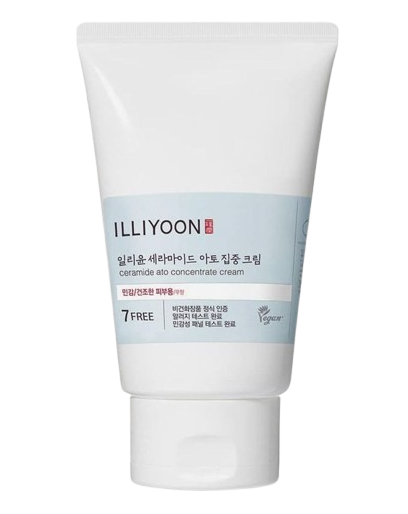
    If your skin is dry, flaky, and tight → look for ceramides + cholesterol + fatty acids together. This combination mimics your skin’s own lipid structure, which is why it works better than ceramides alone. The ILLIYOON – Ceramide Ato Concentrate Cream all three and is a staple in Korean dermatology clinics.

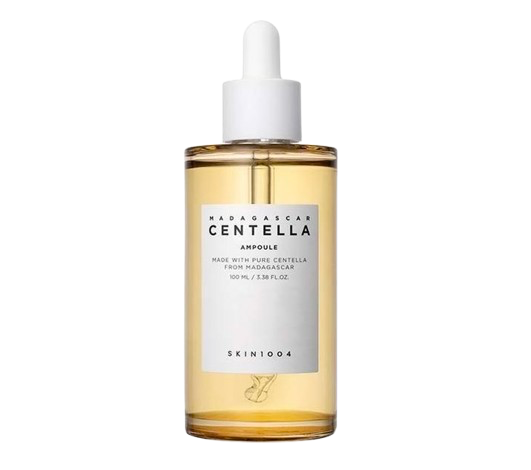
    If your skin is red, reactive, or constantly irritated → the ingredient you want is Centella Asiatica (also called Cica). It reduces inflammation at the source rather than just masking it. The SKIN1004 – Madagascar Centella Ampoule is one of the most effective options available without a prescription.

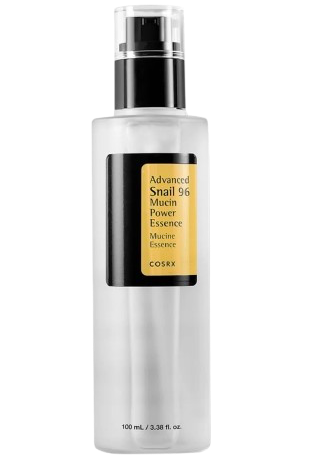
    If your skin is congested with a weakened barrier (breakouts + sensitivity at the same time) → snail mucin is unusually well-matched for this. It repairs tissue while being light enough not to clog. The COSRX – Advanced Snail 96 Mucin Power Essence is the benchmark product for this concern — it’s affordable, effective, and gentle enough for daily use.

    If redness and clogged pores are your main issue → look into mugwort. It’s one of the oldest ingredients in Korean herbal skincare (hanbang) and works as both an anti-inflammatory and a pore clarifier. I’m From – Mugwort Essence is one of the purest formulations available.


    The One Routine Change That Makes the Biggest Difference

    If you only do one thing after reading this: swap your cleanser.

    A gentle, low-pH cleanser is the single most impactful barrier repair change you can make — and it costs less than most serums. The COSRX – Low pH Good Morning Gel Cleanser is the most recommended option in Korean skincare for a reason.

    Everything else you’re using will work better once you stop stripping the barrier twice a day.


    Barrier repair isn’t about buying more products. It’s about removing the habits that keep breaking it — and then giving your skin one well-chosen ingredient to work with.

    Choose based on your main concern:

    • Dry and flaky → ceramide complex
    • Red and reactive → Centella or Mugwort
    • Congested + sensitive → snail mucin

    Once your barrier is stable, active ingredients like PDRN serums actually have a surface they can penetrate properly — which is when you start seeing real results.

    Repair first. Everything else comes after.

    This post may contain affiliate links. I may earn a commission if you purchase through them, at no extra cost to you.