
Ingredients · 2026
Quick Answer
Redness, dullness, and congestion can all look similar on the surface, but they have different causes and need different ingredients. Mugwort calms redness and reactive skin, ginseng brightens dull and tired-looking skin, and azelaic acid clears congestion, breakouts, and uneven tone. Each ingredient solves one problem, not all three.
At a Glance
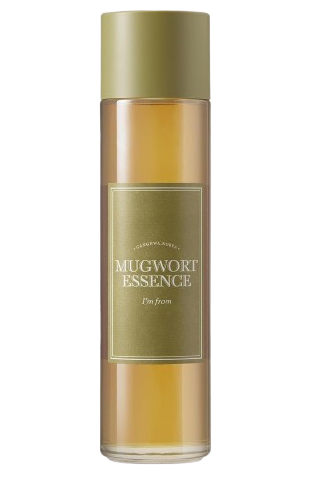
- Redness, sensitivity, reactive skin: Mugwort — I’m From Mugwort Essence
- Dullness, lack of radiance: Ginseng — Beauty of Joseon Ginseng Essence
- Congestion, breakouts, uneven tone: Azelaic Acid — Anua Azelaic Acid 10+ Hyaluron Serum
Ingredient 1: Mugwort — For Skin That Stays Red and Reactive
If your skin flushes easily, feels tight after cleansing, or reacts to products that never used to bother you, your skin is inflamed.
Mugwort is a plant that’s been used in Korean herbal medicine (hanbang, Korea’s traditional medicine system) for over a thousand years. In skincare, it works as an anti-inflammatory — it calms the immune response that causes redness and sensitivity at the surface.
What makes it different from other soothing ingredients is that it works fast. Most people notice less redness within a few days of consistent use.
Who should use it: Sensitive, reactive, or rosacea-prone skin. Skin that’s been over-treated with acids or actives and needs to calm down first. If your barrier needs more than spot-repair, our guide to why your skin barrier won’t heal covers the full picture.
How to use it: Apply after cleansing, before moisturizer. Use it daily — it’s gentle enough for both morning and night.
Key ingredient: Mugwort
Ingredient 2: Ginseng — For Skin That Looks Tired and Dull
Ginseng does something most soothing ingredients don’t: it actively works to improve skin quality over time.
It’s rich in ginsenosides (the active compounds unique to ginseng root) — compounds that stimulate circulation, support collagen production, and help skin look firmer and more radiant. Korean skincare has used ginseng as an anti-aging ingredient for decades, long before peptides became a trend in Western beauty.
This isn’t an ingredient you’ll feel working immediately. It’s a slow, consistent improver — the kind that makes someone say “your skin looks different” after a few weeks, without them being able to explain why.
Who should use it: Skin that looks flat, tired, or has lost its natural glow. Works especially well for aging or mature skin, or anyone whose skin just never looks quite awake — even with a full routine. If brightening is more your focus than radiance alone, our Dr. Althea Vitamin C serum guide covers that angle too.
How to use it: Apply in the morning after toner, before moisturizer. It layers beautifully under sunscreen.
Key ingredient: Ginseng (ginsenosides)
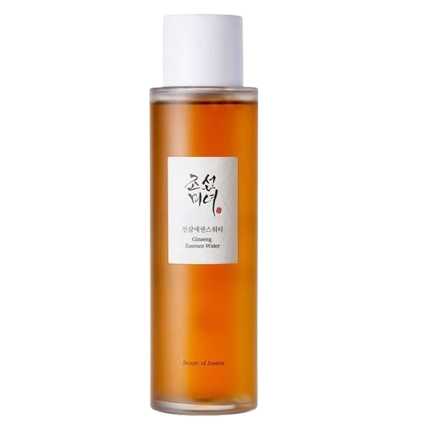
Beauty of Joseon Gingseng Essence
Ingredient 3: Azelaic Acid — For Congestion, Uneven Skin Tone, and Breakouts
Azelaic acid is the quietest overachiever in Korean skincare. It doesn’t get the same attention as vitamin C or retinol, but it does more for congested skin than almost anything else.
It works on three levels at once: it gently unclogs pores, calms the bacteria that causes acne, and fades post-breakout dark spots — all without irritating the skin the way stronger actives can.
It’s also one of the few brightening ingredients that’s safe for sensitive skin. If you’ve reacted to vitamin C or found niacinamide didn’t do quite enough, azelaic acid is often the missing piece.
Who should use it: Oily or combination skin with congestion, frequent breakouts, or stubborn post-acne marks. Also works well for anyone dealing with hyperpigmentation or uneven texture. Pair it with a full routine using our guide to the best Korean serums for acne-prone skin.
How to use it: Use at night, after cleansing and toning. It doesn’t need to be applied every single day to work — 4 to 5 nights a week is enough for most people.
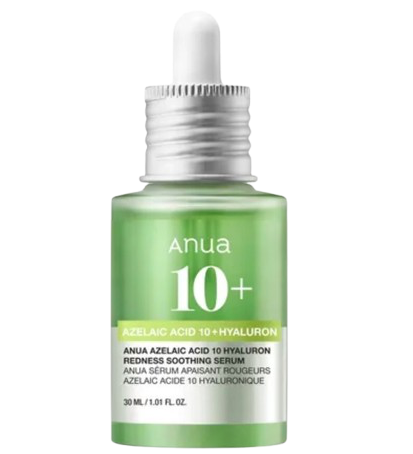
Anua Azelaic Acid 10+ Hyaluron Serum
Quick Check
Which Ingredient Matches Your Skin?
So, Which One Is Right for You?
Here’s the simplest way to decide:
Swipe to see all columns →
| Your Main Concern | Ingredient | Product | How to Use |
|---|---|---|---|
| Redness, sensitivity, reactive skin | Mugwort | I’m From Mugwort Essence | AM & PM after cleansing |
| Dullness, lack of radiance | Ginseng | Beauty of Joseon Ginseng Essence | AM after toner |
| Congestion, breakouts, uneven tone | Azelaic Acid | Anua Azelaic Acid Serum | PM, 4-5 nights a week |
If you’re dealing with more than one issue — redness and dullness, for example — start with whichever concern bothers you most. Get that stable first, then layer the second ingredient in after two to three weeks.
The Order If You’re Using More Than One
All three of these ingredients can work together. If you’re using multiple, apply them in this order:
Morning: Ginseng Essence → Moisturizer → Sunscreen
Evening: Mugwort Essence → Azelaic Acid Serum → Moisturizer
The ginseng goes in the morning because it supports your skin’s radiance during the day. The azelaic acid goes at night because it works best without UV exposure. Mugwort can go morning or evening — layer it underneath your treatment serum. For the moisturizer step, see our guide to matching a Korean moisturizer to your skin type.
The Takeaway
These three ingredients cover most of what makes skin look and feel off. The key is choosing based on your actual concern — not what’s trending.
Mugwort for calm. Ginseng for glow. Azelaic acid for clarity.
Pick the one that matches what you see in the mirror right now. Start there. If you want to compare the two brands behind these picks side by side, see our Anua vs. Beauty of Joseon comparison.
Frequently Asked Questions
Can I use mugwort, ginseng, and azelaic acid all at the same time?
Yes, they’re designed to work together without conflicting. Apply ginseng in the morning, mugwort morning or evening, and azelaic acid at night, spaced out across your routine rather than layered all at once.
Which ingredient should I start with if I have more than one concern?
Start with whichever concern bothers you most. Get that stable for two to three weeks before layering in a second ingredient, rather than starting all three at once.
Is azelaic acid safe for sensitive skin?
Yes. Azelaic acid is one of the few brightening and congestion-fighting ingredients considered safe for sensitive skin, especially compared to stronger actives like vitamin C or retinol.
How long before I see results from ginseng?
Ginseng is a slow, consistent improver rather than something you’ll notice overnight. Most people see a gradual improvement in radiance and firmness over several weeks of regular use.
Do I need to use mugwort every day?
Yes, mugwort is gentle enough for daily use, both morning and night, and most people notice less redness within a few days of consistent application.
What’s the difference between azelaic acid and niacinamide for dark spots?
Azelaic acid works on three levels at once, unclogging pores, calming acne-causing bacteria, and fading dark spots, while niacinamide primarily targets tone and pore appearance. Azelaic acid is often the better pick if breakouts are part of the picture.
Can I use azelaic acid every night?
You don’t need to. Most people see results using it four to five nights a week rather than daily, which also reduces the chance of irritation.