
Comparison · 2026
You bought a retinol. Three weeks later your skin is flaky, red, and somehow looks older. So you quit — and decide anti-aging “just isn’t for you.”
Here’s the truth: you probably didn’t pick the wrong ingredient. You picked the wrong strength for where your skin actually is.
Quick Answer
Retinal, retinol, and bakuchiol all do the same job, boosting collagen and softening fine lines, but they’re not interchangeable. Retinol is gentler but slower, retinal works faster and stronger, and bakuchiol is a plant-based, irritation-free alternative. Most people who quit retinoids didn’t pick the wrong ingredient, they picked the wrong strength for where their skin actually is.
The Vitamin A Family, Explained Simply
All three are forms (or alternatives) of vitamin A, the most proven anti-aging ingredient there is. They speed up cell turnover, boost collagen, and soften fine lines. The only real difference is how fast and how strong they work.
Retinol is the classic. Your skin has to convert it before it can work, which makes it gentler — but slower. A solid starting point if you’ve never used a retinoid.
Retinal is one step closer to the active form, so it works noticeably faster and stronger. Often delivered in tiny liposomes to stay gentle while still being potent. The sweet spot for visible results without a prescription.
Bakuchiol is a plant-based alternative that mimics retinol’s effects without the irritation. No purging, no peeling, daytime-safe. The go-to if your skin is sensitive, reactive, or retinoid-intolerant.
The mistake most people make? Reaching for the strongest option first. That’s what causes the flaking everyone blames on “retinol not working.” Start gentle, build up, and always protect your barrier along the way.
Quick Check
Retinal, Retinol, or Bakuchiol?
Which One Is Right for You?
At a Glance
- Sensitive skin, total beginners: Eqqualberry Bakuchiol Plumping Serum
- First real retinoid: Celimax The Vita-A Retinol Shot Tightening Serum
- Experienced users, faster results: Celimax The Vita-A Retinal Shot Tightening Booster
- Fine lines around the eyes: K-Secret Seoul 1988 Retinal Eye Cream
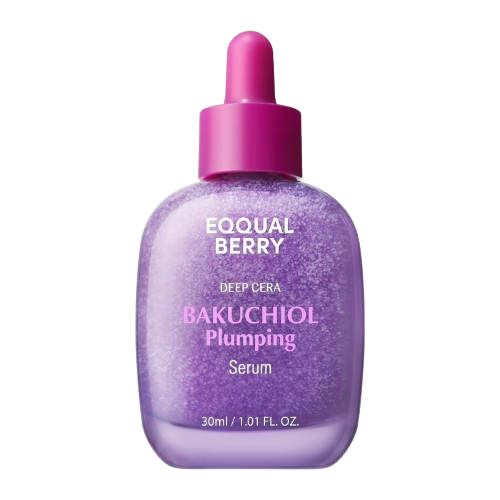
Eqqualberry Bakuchiol Plumping Serum
For sensitive skin and total beginners
99% pure bakuchiol with 13 peptides, ceramides, and hyaluronic acid. All the firming, plumping benefits of a retinoid, none of the irritation — and safe for morning or night. The easiest, lowest-risk way to start.
Key ingredient: Bakuchiol
[Shop Eqqualberry Bakuchiol Serum]
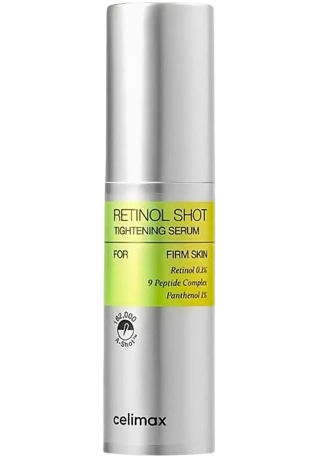
Celimax The Vita-A Retinol Shot Tightening Serum
For the cautious first-timer ready for real vitamin A.
A beginner-friendly retinol that eases your skin into actives. Start 2–3 nights a week and let your skin adjust before going stronger.
Key ingredient: Retinol
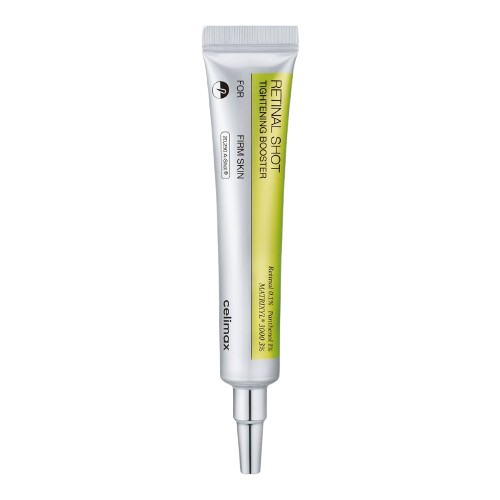
Celimax The Vita-A Retinal Shot Tightening Booster
For experienced users who want faster results.
0.1% nano-retinal (roughly as potent as 0.5–1% retinol) with peptides and spicules for deeper absorption. The tingle means it’s working. Best once your skin already tolerates retinoids.
Key ingredient: Retinal (nano-encapsulated)
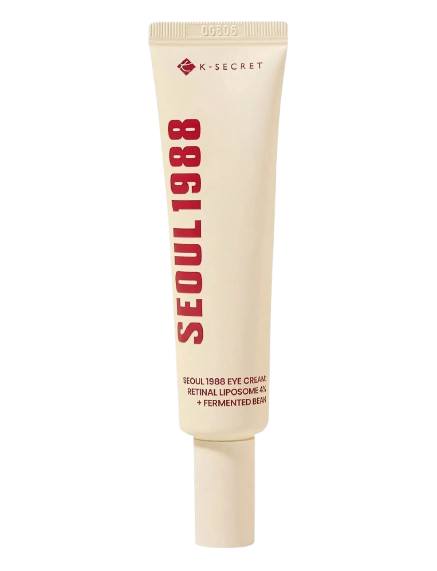
K-Secret Seoul 1988 Retinal Eye Cream
For fine lines, crow’s feet, and dark circles.
The eye area is too delicate for face-strength actives, so this uses gentle liposomal retinal plus bakuchiol and peptides made specifically for it. Add it once your face routine is settled.
Key ingredient: Liposomal retinal + bakuchiol
[Shop K-Secret Retinal Eye Cream]
At a Glance
Swipe to see all columns →
| Product | Type | Best For | Start |
|---|---|---|---|
| Eqqualberry Bakuchiol Serum | Bakuchiol | Sensitive skin + beginners | AM or PM, daily |
| Celimax Retinol Shot | Retinol | First real retinoid | 2-3 nights/week |
| Celimax Retinal Shot | Retinal | Experienced, faster results | Every other night |
| K-Secret Retinal Eye Cream | Retinal (eye-specific) | Eye-area fine lines | 2 nights/week, build up |
The Golden Rules (Don’t Skip These)
Whichever you choose, three things make or break your results.
Start slow — every other night, not every night. Buffer with moisturiser if your skin is reactive. And wear SPF every single morning, no exceptions: retinoids make skin more sun-sensitive, and unprotected sun undoes everything you’re working toward. (Your Korean vs Western sunscreen guide helps you pick one.)
These actives go in your serum step at night. Not sure how they fit with everything else? Your layering order guide and night routine walk through the exact sequence.
If your skin is sensitive, start with bakuchiol. If you’re new to vitamin A but ready for it, begin with retinol. If you’ve used actives before and want faster firming, go straight to retinal — and treat your eyes with something made for them.
Pick the one that matches your skin today, not the strongest one on the shelf. That’s the difference between quitting in three weeks and glowing in three months.
Frequently Asked Questions
What’s the difference between retinol and retinal?
Retinol needs to be converted by your skin before it becomes active, making it gentler but slower. Retinal is one step closer to the active form, so it works faster and stronger, often delivered in liposomes to stay gentle while remaining potent.
Is bakuchiol as effective as retinol?
Bakuchiol mimics many of retinol’s firming and plumping effects without the irritation, purging, or peeling. It’s a strong alternative for sensitive or retinoid-intolerant skin, though it generally works more gradually than retinal.
Why did my retinol make my skin worse instead of better?
The most common cause is starting too strong or using it too often. Reaching for the strongest option first, rather than building up gradually, is what causes the flaking and redness that gets blamed on the ingredient itself.
Can I use retinal or retinol around my eyes?
Not with face-strength formulas. The eye area is more delicate and needs a gentler, specifically formulated product like a liposomal retinal eye cream, added once your face routine is already settled.
Do I need to wear sunscreen if I use a retinoid?
Yes, every single morning, no exceptions. Retinoids make skin more sun-sensitive, and unprotected sun exposure undoes the results you’re working toward.
How often should I use retinal or retinol when starting out?
Start every other night, not every night, and buffer with moisturizer if your skin feels reactive. Build up frequency gradually as your skin adjusts.
Which should a total beginner start with, retinol, retinal, or bakuchiol?
If your skin is sensitive, start with bakuchiol. If you’re new to vitamin A but ready for a real retinoid, begin with retinol rather than jumping straight to retinal.