
K-Beauty · 2026
If your skin still looks dull, reactive, or tired — even after a full routine — you might be chasing the wrong result.
For years, glass skin was the goal. Glossy, poreless, almost reflective. But Korean estheticians quietly moved on — and the new standard is something better.
Quick Answer
Korean estheticians have quietly moved on from glass skin. The new goal, bloom skin, is built by repairing your barrier first with PDRN, centella, and ceramides, not by layering more actives on top of one that’s already thinning. It’s even-toned, calm, genuinely healthy skin that glows because it’s functioning well, not because it’s coated in product.
What Is Bloom Skin?
Bloom skin isn’t about shine. It’s about strength.
Think even-toned, calm, and genuinely healthy — skin that glows because it’s functioning well, not because it’s layered with actives.
The shift happened for a reason. Glass skin routines often rely on heavy exfoliation and high-concentration serums. Done consistently, they thin your barrier — leaving skin reactive, sensitive, and dependent on more products to look okay. It’s a different philosophy than our 5-step glass skin routine, which is still a great starting point if your barrier is already healthy.
Bloom skin works the opposite way. You rebuild first. Then the glow follows naturally.
The Ingredient Difference
Glass skin routine: AHAs, BHAs, Vitamin C, strong niacinamide — all results-first, barrier second. If brightening is still your main goal, our Dr. Althea Vitamin C serum guide covers that route.
Bloom skin routine: Ceramides, centella asiatica, PDRN, heartleaf — all repair-first, glow as a byproduct.
The bloom skin approach feeds your skin’s natural defense system instead of overriding it.
The Key Ingredients to Know
PDRN (polydeoxyribonucleotide) is a skin-regenerating ingredient, often derived from salmon DNA, that helps repair damaged tissue and boost collagen production at a cellular level. It’s the backbone of most bloom skin products.
NAD+ is a coenzyme found in every cell that supports cellular energy and repair. As skin ages or gets stressed, natural NAD+ levels drop, so topical formulas aim to restore it directly.
Centella asiatica (sometimes called tiger grass) is a calming plant extract that reduces redness and strengthens the skin barrier, making it one of the most trusted ingredients for reactive or compromised skin.
Ceramides are lipids that make up a large part of your skin’s outer barrier. Replacing them topically helps seal in moisture and keep irritants out.
Peptides are short chains of amino acids that signal skin cells to repair and produce more collagen, supporting firmness over time.
Who Actually Needs This Shift?
Quick Check
Are You a Bloom Skin Candidate?
Check anything that sounds like your skin right now:
At a Glance
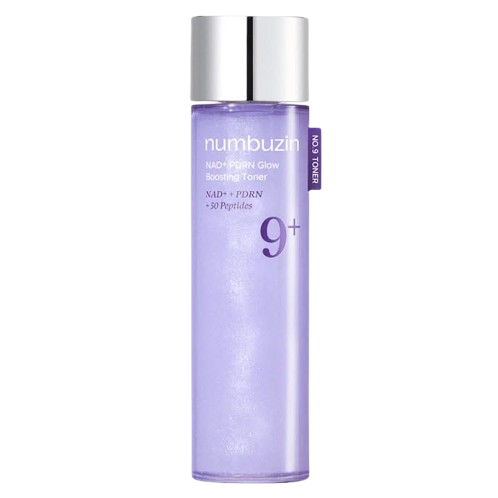
- Step 1 — Toner: numbuzin No.9+ NAD+ PDRN Glow Boosting Toner
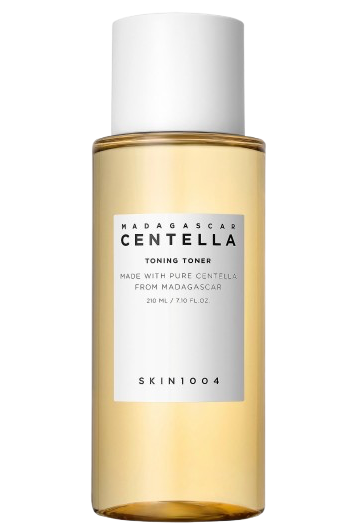
- Step 2 — Toner: Skin1004 Madagascar Centella Toning Toner
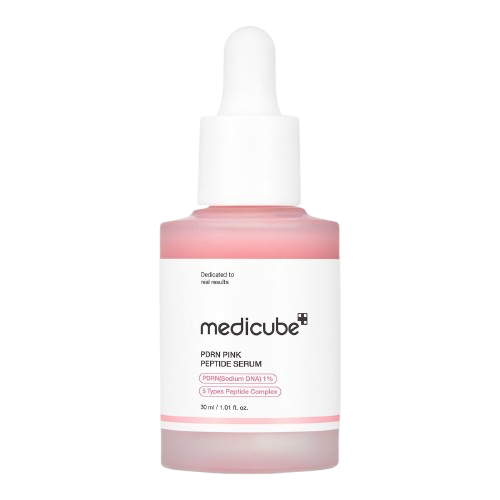
- Step 3 — Serum: Medicube PDRN Pink Peptide Serum
- Step 4 — Cream (AM): Aestura AtoBarrier 365 Cream
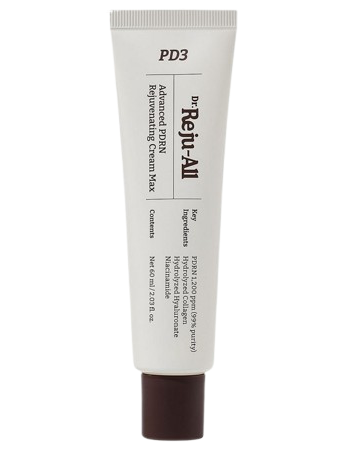
- Step 4 — Cream (PM): Dr.Reju-All Advanced PDRN Rejuvenating Cream Max
5 Korean Products That Actually Build Bloom Skin
Each one targets a specific layer of your routine — and they work together as a complete system.
1. numbuzin No.9+ NAD+ PDRN Glow Boosting Toner
Your first step of real repair
Not your average toner. This feels more like an essence — with PDRN, NAD+, and 50 peptides working together to hydrate, firm, and wake up dull skin from step one. You’ll feel the difference immediately. If you’re building a full hydration layer, our guide to Korean face mists pairs well with this step.
Key ingredient: PDRN + NAD+ + peptides
2. Skin1004 Madagascar Centella Toning Toner
The calm after the storm
Pure centella asiatica, nothing else. It calms irritation, strengthens the barrier, and preps your skin to actually absorb what comes next. Fragrance-free, gentle, and consistently one of the most recommended toners in K-beauty.
Key ingredient: Centella asiatica
3. Medicube PDRN Pink Peptide Serum
The treatment your barrier has been missing
10,000ppm of salmon PDRN plus 5 peptides and niacinamide — in one lightweight serum. It repairs, brightens, and firms. Most people notice a difference within two weeks. The pink color is natural, not marketing. Breakout-prone skin can benefit from barrier repair too, our guide to the best Korean serums for acne-prone skin has more picks in that direction.
Key ingredient: PDRN + peptides + niacinamide
4.Dr.Reju-All Advanced PDRN Rejuvenating Cream Max
Clinic-level repair as your moisturizer
1,200ppm of 99% pure salmon PDRN in a fast-absorbing gel cream. Rebuilds elasticity, soothes redness, and strengthens the barrier — without heaviness. The kind of product that used to only exist in Korean dermatology clinics.
Key ingredient: 99% pure salmon PDRN
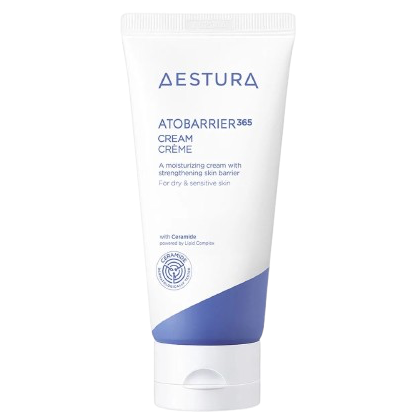
5. Aestura AtoBarrier 365 Cream
Seal it all in
A derm-developed ceramide cream that mimics your skin’s own lipid structure. It locks in every layer underneath and keeps your barrier intact through the day. Essential for dry, sensitive, or easily reactive skin. If you want to match a moisturizer to your exact skin type rather than just barrier repair, see our Korean face moisturizer guide.
Key ingredient: Ceramides
How to Use Them Together
Swipe to see all columns →
| Step | Product | Key Ingredient | Time of Day |
|---|---|---|---|
| 1. Toner | numbuzin NAD+ PDRN Toner | PDRN + NAD+ + peptides | AM & PM |
| 2. Toner | Skin1004 Centella Toner | Centella asiatica | AM & PM |
| 3. Serum | Medicube PDRN Peptide Serum | PDRN + peptides | AM & PM |
| 4. Cream | Aestura AtoBarrier Cream | Ceramides | AM |
| 4. Cream | Dr. Reju-All PDRN Cream | Salmon PDRN | PM |
Follow with sunscreen every morning, our guide to Korean sunscreens for oily skin has options that won’t undo the barrier work you just did.
Start with all 5 if your barrier is already in decent shape. If your skin is very reactive, begin with just the Skin1004 toner and Aestura cream for one week, then layer in the rest.
Bloom Skin Isn’t a Downgrade
It’s the version that actually lasts. Start with the barrier. Everything else follows.
Frequently Asked Questions
What’s the difference between glass skin and bloom skin?
Glass skin focuses on shine and glossiness, often using AHAs, BHAs, and Vitamin C to resurface the skin. Bloom skin focuses on barrier strength first, using ingredients like PDRN, centella, and ceramides, with glow as a natural side effect of healthier skin.
Can I combine bloom skin products with my glass skin routine?
You can, but it depends on your barrier’s current condition. If your skin already feels reactive or tight, layering more actives on top can make things worse. Consider taking a break from strong actives while you rebuild your barrier first.
How long does it take to see bloom skin results?
Many people notice calmer, less reactive skin within one to two weeks of consistent use, since barrier repair ingredients like PDRN and centella work relatively quickly. Full firmness and tone improvements usually take 4-6 weeks.
Is PDRN safe for sensitive skin?
Yes, PDRN is generally well tolerated by sensitive and reactive skin, since it works by supporting the skin’s own repair processes rather than exfoliating or resurfacing.
Do I need all 5 products to see results?
No. If your skin is very reactive, starting with just the Skin1004 Centella Toner and Aestura Barrier Cream for a week is enough to begin rebuilding your barrier, before adding the rest of the routine.
Can I use bloom skin products if my skin is oily?
Yes. These formulas are lightweight and non-comedogenic, so oily skin benefits from the barrier support without the heaviness of richer, more occlusive creams.
What is NAD+ and why is it in skincare now?
NAD+ is a coenzyme every cell needs for energy and repair. Natural levels drop with age and stress, so topical formulas aim to restore it directly at the skin’s surface, supporting the same repair processes glass skin routines were trying to force from the outside.