
Skin Concerns · 2026
You’ve used a brightening serum for three months. Maybe four. And those marks left behind by old breakouts still won’t budge.
Here’s what almost nobody tells you: not all “dark spots” are the same — and half of them aren’t even pigment. If you’re treating them all with the same product, you’re fighting the wrong battle.
Once you know which kind you have, the right product becomes obvious. Let’s sort it out.
Quick Answer
Not all dark spots are the same, and half of them aren’t even pigment. Pink or red marks (PIE) are leftover redness from inflammation and need calming ingredients like azelaic acid. Brown or tan marks (PIH) are excess melanin and need brightening ingredients like niacinamide, tranexamic acid, or alpha-arbutin. Identifying which kind you have is the first step to actually fading them.
Red Marks vs Brown Marks: They’re Not the Same Thing
Look closely at your marks. Are they pink-red, or brown-tan? That one detail changes everything.
Red or pink marks (PIE) are post-inflammatory erythema — lingering redness from damaged tiny blood vessels after a breakout. There’s no extra pigment here, so brightening serums do nothing. PIE needs calming, barrier support, and time.
Brown or tan marks (PIH) are post-inflammatory hyperpigmentation — excess melanin your skin produced in response to inflammation. This is what brightening ingredients actually target.
Treating red marks with a melanin-fading serum is like taking cough medicine for a broken arm. Right effort, wrong problem.
The Ingredients That Actually Work
At a Glance
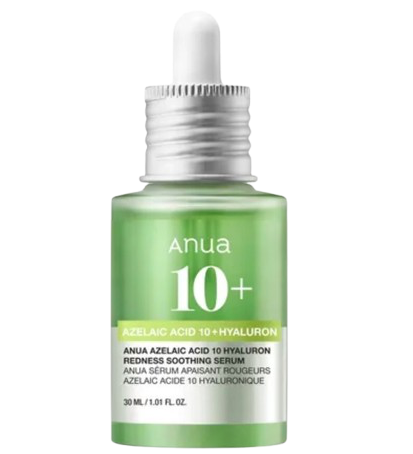
- Pink or red marks (PIE): Anua Azelaic Acid 10% Redness Soothing Serum
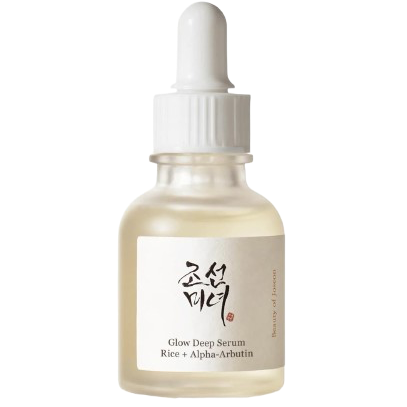
- Light brown, early PIH: Beauty of Joseon Glow Deep Serum
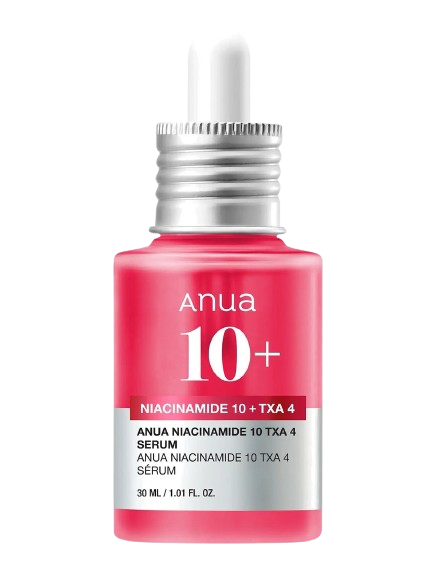
- Dark, stubborn, or hormonal marks: Anua Niacinamide 10% + TXA 4% Dark Spot Correcting Serum
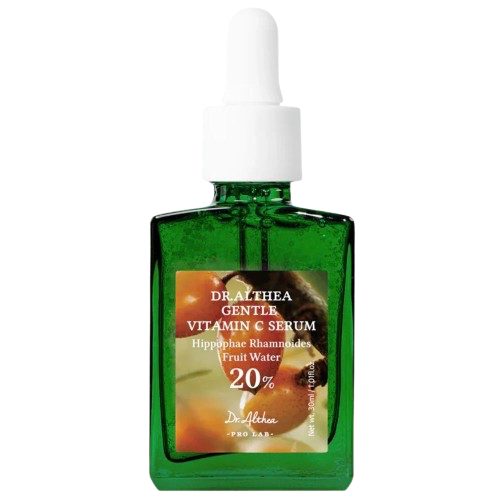
- Daily prevention, any type: Dr. Althea Vitamin C Serum
For brown spots (PIH), you want melanin-fighters: niacinamide (slows melanin from surfacing), tranexamic acid (reduces melanin production — especially good for hormonal and melasma-type spots), alpha-arbutin (a gentle, beginner-safe brightener), and vitamin C (brightens and defends).
For red marks (PIE), you want calm-and-repair: azelaic acid (soothes redness while gently fading marks), centella, and barrier-supporting ingredients. A healthy skin barrier is what lets PIE fade in the first place.
And for both: daily SPF is non-negotiable. Sun exposure deepens every mark and undoes months of progress, so the right Korean sunscreen is the most important “dark spot product” you own.
Quick Check
Which Dark-Spot Serum Matches Your Marks?
Which One Is Right for You?
Beauty of Joseon Glow Deep Serum Rice + Alpha-Arbutin
For beginners and light brown dark spots
Rice extract brightens while gentle alpha-arbutin fades discoloration without irritation. The easiest, lowest-risk place to start.
Key ingredient: Rice extract + alpha-arbutin
[Shop Beauty of Joseon Glow Deep]
Anua Niacinamide 10% + TXA 4% Dark Spot Correcting Serum
For stubborn, older, or hormonal brown spots.
A concentrated trio of 10% niacinamide, 4% tranexamic acid, and 2% arbutin — the heavy hitter when gentler serums haven’t been enough.
Key ingredient: Niacinamide + tranexamic acid
Anua Azelaic Acid 10% Redness Soothing Serum
For red leftover marks (PIE) and acne-prone skin.
Azelaic acid calms the redness and gently smooths tone at once, without aggravating active breakouts.
Key ingredient: Azelaic acid
Dr. Althea Vitamin C Serum
For daytime brightening and preventing new marks.
Antioxidant protection that boosts your other actives and stops fresh discoloration from forming. Not sure which Dr. Althea formula suits you? Here’s the breakdown.
Key ingredient: Vitamin C
At a Glance
Swipe to see all columns →
| Your Dark Spots Look Like | What’s Actually Happening | Best Serum | Key Ingredient |
|---|---|---|---|
| Pink or red | PIE (inflammation, not pigment) | Anua Azelaic Acid 10% | Azelaic acid |
| Light brown, early | Early PIH, beginner-safe | Beauty of Joseon Glow Deep | Alpha-arbutin + rice |
| Dark, stubborn, hormonal | Advanced or hormonal PIH | Anua Niacinamide + TXA | Niacinamide + TXA |
| Any type, prevention | Daily antioxidant defense | Dr. Althea Vitamin C | Vitamin C |
The Golden Rules
Three things decide whether your marks fade or stay put.
First, identify the type before you buy — red vs brown changes your entire approach. Second, introduce one active at a time and give it 8–12 weeks; fading is slow, and switching products every two weeks resets the clock. Your layering order guide shows you exactly where a new active fits without overwhelming your skin. Third, wear SPF every single morning. There is no version of fading dark spots that works without sun protection.
If you want to understand why these ingredients work the way they do, this ingredient guide breaks it down simply.
Match the product to the mark, stay consistent, and give it time. That’s how spots that “never fade” finally do.
Frequently Asked Questions
What’s the difference between PIE and PIH dark spots?
PIE (post-inflammatory erythema) is leftover redness from damaged blood vessels after a breakout, not pigment. PIH (post-inflammatory hyperpigmentation) is actual excess melanin. Pink or red dark spots are PIE; brown or tan dark spots are PIH, and they need different ingredients entirely.
How long does it take for dark spots to fade with Korean serums?
Most dark spots need 8-12 weeks of consistent use before you see real fading. Melanin-fighting ingredients like niacinamide and tranexamic acid work gradually, and switching products every couple of weeks resets the clock.
Can I use niacinamide and tranexamic acid together for dark spots?
Yes. Anua’s Niacinamide 10% + TXA 4% serum combines both in one formula because they target melanin production from different angles, niacinamide slows melanin from surfacing while tranexamic acid reduces how much your skin produces.
Is azelaic acid safe for active acne while treating dark spots?
Yes, azelaic acid is one of the few brightening ingredients that’s also gentle enough for active breakouts. It calms redness and fades dark spots at the same time without aggravating current acne.
Do I really need sunscreen if I’m treating dark spots?
Yes, every single morning without exception. Sun exposure deepens every existing dark spot and creates new ones, undoing months of progress from your serum.
Can I use more than one dark-spot serum at once?
It’s better to introduce one active at a time and give each 8-12 weeks before adding another. Layering too many actives at once increases irritation risk and makes it harder to tell what’s actually working on your dark spots.
Which dark-spot serum should a total beginner start with?
Beauty of Joseon Glow Deep Serum is the easiest starting point. Its gentle alpha-arbutin and rice extract fade light dark spots without the irritation risk of stronger actives.