
Routine · 2026
You have great Korean products sitting on your shelf. But are you actually using them in the right order? Most people layer their skincare by feel. The problem is that Korean products are built around a specific sequence.
These 6 Korean products cover every step of a complete routine. Here’s exactly where each one goes, why the order matters, and who each product is actually built for.
Quick Answer
Great Korean products won’t help if you’re using them in the wrong order. Most people layer by feel, thinnest first, thickest last, and hope for the best. But Korean products are built around a specific sequence, toner, treatment serum, eye cream, moisturizer, then sunscreen in the morning, and the wrong order can block absorption or waste what you paid for.
At a Glance
- Step 1 — Toner: Numbuzin No.1 Skin Softening Toner
- Step 2 — Serum: Medicube PDRN (repair) or Celimax Retinal Shot (resurfacing) — never both same night
- Step 3 — Eye cream: Laneige Water Bank Blue Hyaluronic Eye Cream, before moisturizer
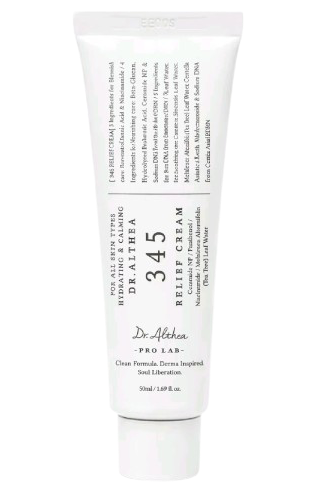
- Step 4 — Moisturizer: Dr. Althea 345 Relief Cream
- Step 5 — Sunscreen (AM only): Round Lab Birch Juice Sun Cream SPF50+
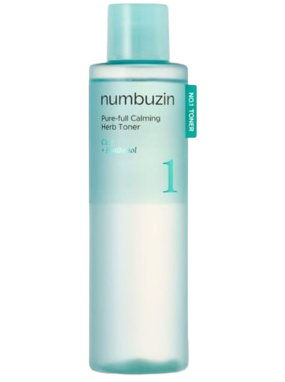
Step 1: Toner — Numbuzin No.1 Skin Softening Toner
Most Western toners strip. Korean toners do the opposite — they prep.
Applied right after cleansing on slightly damp skin, a Korean toner restores your skin’s pH balance and creates a hydrated base that helps every product applied after it absorb properly. Think of it as priming a wall before painting. Skip this step and your serums sit on the surface instead of sinking in.
Numbuzin No.1 is built around deep hydration and skin softening. It’s packed with panthenol and moisture-binding ingredients that immediately reduce any tightness left after cleansing — leaving skin plump, calm, and ready to absorb everything that comes next.
It is create the ideal surface for the rest of your routine to work properly — which is exactly what a first step should do.
Who it’s for: Dry, dehydrated, or tight skin. Also ideal for anyone whose skin feels uncomfortable after cleansing, or anyone building a routine with active ingredients who needs a gentle, non-competing prep step first.
Key ingredient: Panthenol + moisture-binding complex
Step 2: Treatment Serum — Choose Based on Your Main Concern
This is where you target your specific skin issue. Apply after toner while skin is still slightly damp.
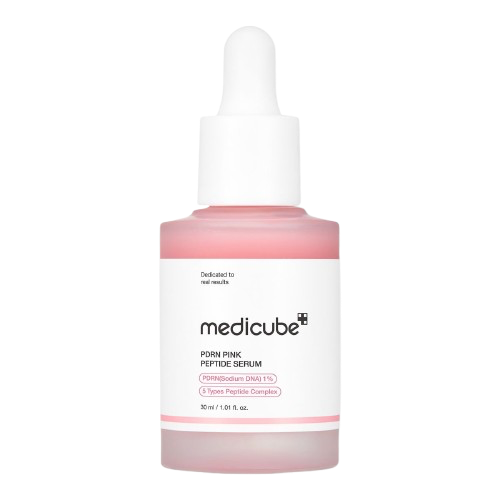
Repair and Hydration Priority: Medicube PDRN Pink Peptide Serum
PDRN (Polydeoxyribonucleotide) is the ingredient Korean dermatology clinics have been using for years, now available in consumer skincare. It works by signalling your skin to repair itself at a cellular level — faster collagen turnover, better moisture retention, visibly smoother texture over time. If dullness or post-breakout marks are your main concern, our best Korean serums for acne-prone skin guide has more targeted options.
It’s not an overnight fix, but it’s one of the most clinically supported ingredients in K-beauty right now.
Who it’s for: Skin with visible damage — dullness, fine lines, post-breakout marks, or anyone whose skin just doesn’t bounce back the way it used to. Also works well after barrier disruption.
Key ingredient: PDRN + peptides
Medicube PDRN Pink Peptide Serum
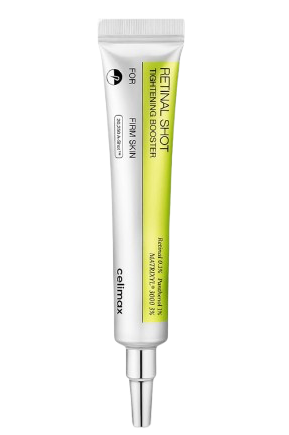
Resurfacing and Anti-Aging Priority: Celimax Retinal Shot Booster
Retinal (not retinol) is the upgraded version that works faster with less irritation. It converts to retinoic acid in the skin more efficiently, which means you get the resurfacing and collagen-stimulating benefits at a lower concentration — with less of the peeling and redness that retinol is known for. If you’re still deciding between retinal, retinol, and gentler alternatives, our retinal vs. retinol vs. bakuchiol comparison breaks down the differences.
Who it’s for: Anyone targeting fine lines, uneven texture, or dull skin who has tried retinol and found it too harsh — or anyone ready to level up from a basic serum. Use at night only. Start 2–3 nights per week and build up.
Important: Do not layer Celimax Retinal and Medicube PDRN on the same night. Pick one for evenings. PDRN works well for repair on lower-intensity nights; retinal for active resurfacing nights.
Key ingredient: Retinal
Quick Check
Which Serum Should You Use Tonight?
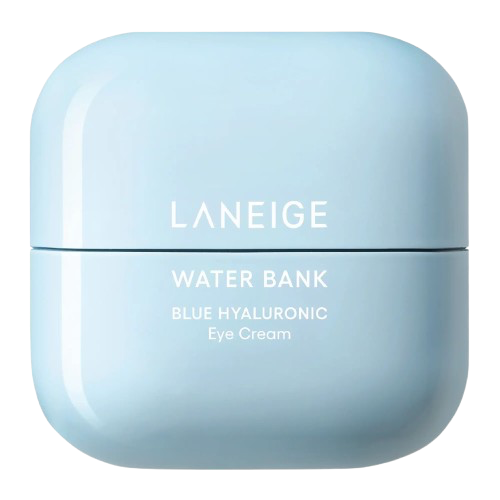
Step 3: Eye Cream — Laneige Water Bank Blue Hyaluronic Eye Cream
Eye cream goes on before your moisturiser — not after.
The skin around the eye is thinner and more delicate than the rest of your face. It needs its own hydration source and doesn’t benefit from the heavier occlusive ingredients often found in face moisturisers.
Apply with your ring finger using a light tapping motion. Never drag.
Laneige Water Bank delivers multiple types of hyaluronic acid to the eye area, which means it hydrates across different layers of skin — not just the surface. The result is a visibly less creased, more awake-looking eye area with consistent use.
Who it’s for: Anyone with dryness, fine lines, or puffiness around the eyes. Also perfect as a first eye cream for someone who’s never used one — it’s lightweight, non-irritating, and works well under makeup.
Key ingredient: Multiple types of hyaluronic acid
Step 4: Moisturiser — Dr. Althea 345 Relief Cream
Moisturiser seals in everything you’ve applied and prevents water loss throughout the day or night.
Most people apply too little. You need enough to form an actual protective layer — not just a thin swipe.
Dr. Althea 345 Relief Cream is a soothing, barrier-focused moisturiser built around calming and repairing skin rather than treating it aggressively. It’s lightweight enough to layer without heaviness, but substantive enough to properly seal in serums and lock moisture in overnight.
What makes it a smart pairing for this routine is that it works with everything — it doesn’t conflict with the PDRN serum, it won’t interfere with the retinal on active nights, and it’s gentle enough for daily use morning and evening. It’s also one of the picks in our Korean face moisturizer guide for sensitive and combo skin.
Who it’s for: Any skin type, but especially skin that’s sensitive, compromised, or recovering. If your skin tends to react to richer creams or feels congested after moisturising, this is the format that works without pushing skin over the edge. Also ideal for layering under sunscreen in the morning without pilling.
Key ingredient: Barrier-repair complex
Step 5 (Morning Only): Sunscreen — Round Lab Birch Juice Moisturising Sun Cream SPF50+
Sunscreen is not optional. It is the step that determines whether everything else you do actually works.
Retinal, niacinamide, PDRN — all of these ingredients make your skin more effective at repairing and renewing itself. Without SPF in the morning, UV exposure undoes that work faster than the products can deliver it.
Round Lab Birch Juice Sun Cream is one of the most popular sunscreens in Korean skincare for a reason. It applies as a moisturiser, leaves no white cast, and doesn’t pill under makeup. The birch juice in the formula adds hydration while the SPF50+ PA++++ rating blocks both UVA and UVB.
Apply as your final morning step — after moisturiser, before any makeup. Use a full two-finger-length amount. Most people apply half of what they need.
Who it’s for: Every skin type. A must if you’re using Celimax Retinal in this routine. Also works as a standalone moisturiser-sunscreen for minimal morning routines.
Key ingredient: Birch juice + SPF50+ PA++++
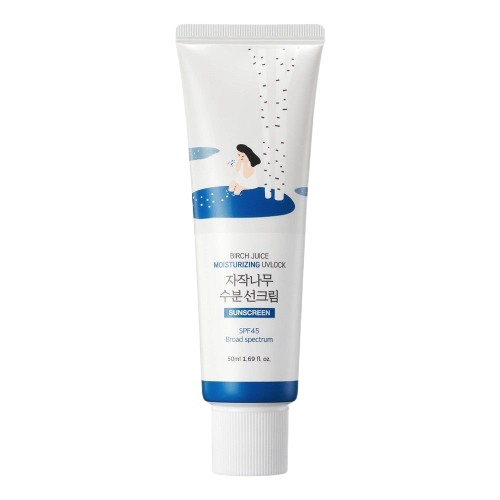
Round Lab Birch Juice Sunscreen
Your Complete Routine
Swipe to see all columns →
| Step | Product | When | Notes |
|---|---|---|---|
| 1. Toner | Numbuzin No.1 Calming Toner | AM & PM | Prep step, use right after cleansing |
| 2. Serum | Medicube PDRN Serum | AM or non-retinal PM | Repair + hydration |
| 2. Serum | Celimax Retinal Shot | PM only, 2-3x/week | Never with PDRN same night |
| 3. Eye Cream | Laneige Hyaluronic Eye Cream | AM & PM | Apply before moisturizer |
| 4. Moisturizer | Dr. Althea 345 Relief Cream | AM & PM | Seals everything in |
| 5. Sunscreen | Round Lab Birch Juice Sun Cream | AM only | Non-negotiable, final step |
Where to Start If This Feels Like a Lot
You don’t need all six products at once.
Start with the toner, one serum, and the sunscreen. That alone is a functional Korean routine. Add the eye cream and relief cream next. Then layer in the Celimax Retinal once your skin is stable and comfortable with the basics. If six steps still feels like too much, our simpler 5-step glass skin routine is a good place to begin instead. And if dark spots are part of what you’re targeting, see our guide on why dark spots aren’t fading for the right serum match.
This routine is designed to grow with you, not overwhelm you from day one. The right order matters more than how many Korean products you own.
Frequently Asked Questions
What order should I apply Korean products in?
Generally: cleanser, toner, treatment serum, eye cream, moisturizer, and sunscreen in the morning. Apply thinnest, most water-based Korean products first, working up to the heaviest, most occlusive product last.
Can I use PDRN serum and retinal on the same night?
No. Layering PDRN and retinal on the same night can be too much for your skin. Pick one per evening, PDRN for repair on lower-intensity nights, retinal for active resurfacing nights.
Why does eye cream go before moisturizer, not after?
The skin around the eyes is thinner and more delicate, and needs its own hydration source rather than the heavier occlusive ingredients in face moisturizer. Applying it first lets it absorb properly before a heavier layer goes on top.
Do I really need sunscreen if I’m already using repair ingredients?
Yes. Ingredients like retinal, niacinamide, and PDRN make your skin more effective at repairing itself, but without SPF, UV exposure undoes that work faster than the products can deliver it.
How many nights a week should I use Celimax Retinal?
Start with 2 to 3 nights a week and build up gradually as your skin adjusts. This is especially important if you’ve found regular retinol too harsh in the past.
What’s the difference between retinal and retinol?
Retinal converts to retinoic acid in the skin more efficiently than retinol, which means you get similar resurfacing and collagen benefits at a lower concentration, with less peeling and redness.
Do I need all 6 products to start a Korean routine?
No. Start with the toner, one serum, and sunscreen as your functional base. Add the eye cream and moisturizer next, then layer in the retinal once your skin is comfortable with the basics.