
Sunscreen · 2026
Quick Answer
Most people who skip sunscreen say the same thing: it feels too heavy, too greasy, or it breaks them out. Korean formulas fix this by combining UV filters with active skincare ingredients like hyaluronic acid, centella, ceramides, and heartleaf, so the sunscreen hydrates and soothes while it protects. Matching the texture and finish to your actual skin type is what makes the difference.
What Makes Korean Sunscreen Different
Western SPFs are often built around protection only. Korean formulas combine UV filters with active skincare ingredients — hyaluronic acid, centella, ceramides, heartleaf — so your sunscreen is doing two jobs at once.
The result is lighter, more wearable, and actually good for your skin. But the texture, finish, and ingredients vary widely depending on the formula — which is why skin type matching matters. If you want more on how these ingredients rebuild your skin overall, our bloom skin routine guide covers centella and ceramides in more depth.
Key Ingredients and Terms to Know
Centella asiatica (sometimes called tiger grass) is a calming plant extract that reduces redness and strengthens the skin barrier, making it one of the most trusted ingredients for reactive or compromised skin.
Heartleaf (houttuynia cordata) is another soothing plant extract used widely in Korean skincare to calm irritation and reduce redness, often paired with centella for sensitive-skin formulas.
Ceramides are lipids that make up a large part of your skin’s outer barrier. Replacing them topically helps seal in moisture and keep irritants out, which is especially useful in a sunscreen worn all day.
PA rating (PA+ to PA++++) measures how well a sunscreen blocks UVA rays, the rays responsible for premature aging, separately from the SPF number, which only reflects UVB (burning) protection.
The One Ingredient Rule
Before choosing, look at the finish:
Dewy/hydrating finish → better for dry, normal, or combination skin
Matte or serum-like finish → better for oily, acne-prone, or combo skin
Soothing actives (centella, heartleaf) → essential for sensitive or reactive skin
Now here’s which product fits which skin.
Quick Check
Which Korean Sunscreen Matches Your Skin?
At a Glance
- Uneven tone + dry skin: d’Alba Waterfull Tone-Up Sunscreen SPF 50+
- Acne-prone + oily-combo skin: SKIN1004 Centella Hyalu-Cica Water-Fit Sun Serum
- Dry + sensitive, on-the-go reapplication: Abib Quick Sun Stick Protection Bar
- Redness + sensitive + reactive skin: Goodal Heartleaf Calming Sun Cream
- Oily + acne-prone skin: Numbuzin No.1 Clear Filter Sun Essence
- Dehydrated + normal-to-dry skin: Isntree Hyaluronic Acid Watery Sun Gel
6 Korean Sunscreens — Matched to Your Skin Type
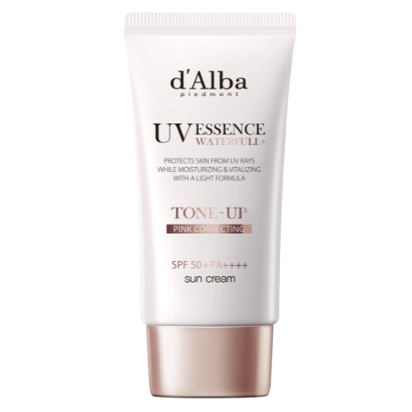
1.d’Alba Waterfull Tone-Up Sunscreen SPF 50+
Best for: uneven skin tone + dry skin
Delivers broad-spectrum SPF 50+ while instantly brightening dullness, neutralizing dark spots, and enhancing your natural glow with a soft pink tint — giving you that effortless “your skin but better” look. Doubles as a makeup base. Best for dry or combination skin that wants tone correction and hydration in one step.
Key ingredient: Brightening tint + SPF 50+
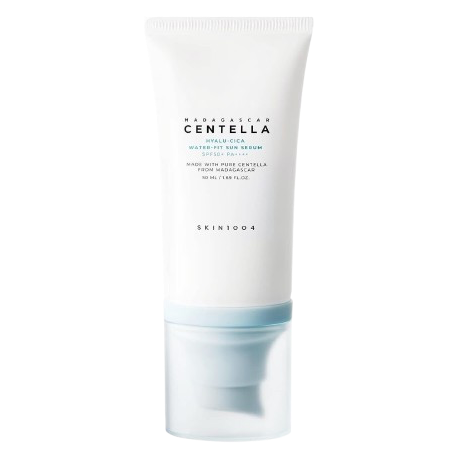
2.SKIN1004 Centella Hyalu-Cica Water-Fit Sun Serum SPF 50+
Best for: acne-prone + oily-combo skin
Uses four next-generation chemical UV filters alongside centella asiatica, niacinamide, green tea, and hyaluronic acid — with no alcohol, fragrance, or essential oils. Dries down to a semi-matte finish that suits all skin types, including acne-prone and dehydrated combination skin. The most versatile option on this list. If breakouts are a bigger concern than sun protection, our guide to the best Korean serums for acne-prone skin has more targeted picks.
Key ingredient: Centella + niacinamide + hyaluronic acid
Shop SKIN1004 Hyaluronic-Cica Sun Serum
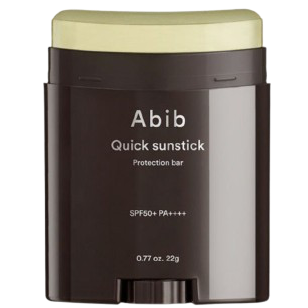
3.Abib Quick Sun Stick Protection Bar SPF 50+
Best for: dry + sensitive skin / on-the-go reapplication
Forms a transparent protective layer that goes on without white cast — with ceramides, centella, and peptides to hydrate, soothe, and strengthen the barrier throughout the day. The C-shape design makes it the easiest sunscreen to reapply over makeup without disturbing it. Best suited to dry and sensitive skin that needs nourishment alongside protection. The same ceramide-first approach shows up in our Korean face moisturizer guide for sensitive and combo skin.
Key ingredient: Ceramides + centella + peptides
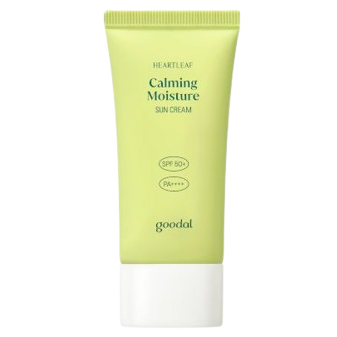
4.Goodal Heartleaf Calming Sun Cream SPF 50+
Best for: redness + sensitive + reactive skin
A unique blend of heartleaf, centella, and licorice root extract calms and soothes irritated skin while creating a moisture barrier to lock in hydration — non-comedogenic, reef-safe, and easily removed with a foam cleanser. The light green tint actively neutralizes redness on contact. The gentlest formula on this list and a good fit if you’re already leaning into a barrier-first bloom skin routine.
Key ingredient: Heartleaf + centella + licorice root
Shop Goodal Heartleaf Sun Cream
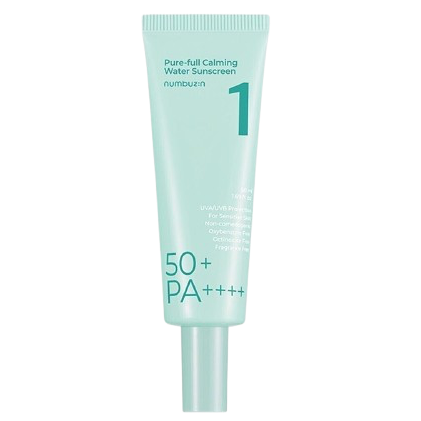
5.Numbuzin No.1 Clear Filter Sun Essence SPF 50+
Best for: oily + acne-prone skin
A lightweight, fast-absorbing sun essence with a refreshing finish that doesn’t clog pores or leave shine. Centella and heartleaf keep the formula soothing, while the clear filter texture works seamlessly under makeup or alone. The ideal pick for anyone who has given up on sunscreen because of breakouts. For more oily-skin-specific picks, see our dedicated guide to Korean sunscreens for oily skin.
Key ingredient: Centella + heartleaf
Shop Numbuzin No.1 Sun Essence
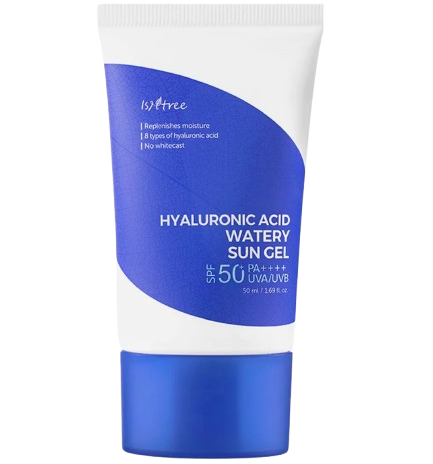
6.Isntree Hyaluronic Acid Watery Sun Gel SPF 50+
Best for: dehydrated + normal-to-dry skin
A gel-textured sunscreen that feels like water on contact — deeply hydrating without heaviness. One of the top recommendations for dry and dehydrated skin types looking for a lightweight yet moisturizing SPF. Fragrance-free and gentle enough for daily use year-round.
Key ingredient: Hyaluronic acid
Shop Isntree Hyaluronic Sun Gel
Quick Reference: Which One Is Yours?
Swipe to see all columns →
| Product | Best For | Key Ingredient | Finish |
|---|---|---|---|
| d’Alba Waterfull Tone-Up | Uneven tone + dry skin | Brightening tint | Dewy, tinted |
| SKIN1004 Sun Serum | Acne-prone + oily-combo | Centella + niacinamide + hyaluronic acid | Semi-matte |
| Abib Sun Stick | Dry + sensitive, on-the-go | Ceramides + centella + peptides | Clear, no white cast |
| Goodal Heartleaf | Redness + sensitive + reactive | Heartleaf + centella + licorice root | Calming, light green tint |
| Numbuzin Sun Essence | Oily + acne-prone | Centella + heartleaf | Lightweight, matte |
| Isntree Sun Gel | Dehydrated + normal-to-dry | Hyaluronic acid | Watery gel |
The Real Rule for Choosing Sunscreen
The best Korean sunscreen is the one you’ll actually wear every day.
Match the texture to your skin type, not the SPF number. A 50+ formula you skip is less effective than a 30+ one you apply every morning. Start with one. Your skin will do the rest. Browse our full sunscreens hub for more picks.
Frequently Asked Questions
Why does Korean sunscreen feel different from Western SPF?
Korean formulas combine UV filters with active skincare ingredients like hyaluronic acid, centella, ceramides, and heartleaf, so the sunscreen hydrates and soothes at the same time as protecting. Western SPFs are typically built around protection alone, which often leaves them feeling heavier.
What’s the difference between SPF and PA rating?
SPF measures protection against UVB rays, the ones that cause burning, while the PA rating (PA+ to PA++++) measures protection against UVA rays, which contribute to premature aging. Korean sunscreens typically list both.
How do I know which finish is right for my skin?
A dewy or hydrating finish works best for dry, normal, or combination skin. A matte or serum-like finish suits oily, acne-prone, or combo skin. If soothing actives like centella or heartleaf are front and center, it’s built for sensitive or reactive skin.
Can I use a tinted sunscreen instead of foundation?
Yes. Tinted formulas like d’Alba’s Waterfull Tone-Up Sunscreen are designed to double as a makeup base, correcting tone and evening out dullness while still providing broad-spectrum protection.
Is a higher SPF always better?
Not if you don’t reapply it. A 50+ sunscreen you skip because it feels heavy protects you less over the course of a day than a 30+ or 50+ formula with a texture you actually enjoy wearing and reapplying.
Can sunscreen help with acne-prone skin instead of making it worse?
Yes, if you choose the right formula. Lightweight, non-comedogenic options like the Numbuzin Sun Essence or SKIN1004 Sun Serum are formulated specifically to avoid clogging pores while still protecting.
How often should I reapply Korean sunscreen?
Generally every two to three hours with sun exposure, which is why stick formats like the Abib Quick Sun Stick are popular, since they reapply over makeup without disturbing it.