
Skin Barrier · 2026
Quick Answer
You’ve tried the ceramides. You added snail mucin. Your skin is still tight, reactive, or breaking out. The problem usually isn’t what you’re missing, it’s what you’re still doing every day, a high-pH cleanser, stacked actives, moisturizing over a compromised surface, that’s quietly undoing the repair. Fix the habit first, then add one targeted repair ingredient.
The Real Reason Your Barrier Keeps Breaking Down
Your skin barrier is a thin protective layer that keeps moisture in and irritants out. When it’s damaged, skin gets dehydrated, red, sensitive, and prone to breakouts — no matter how many products you layer on top.
The frustrating part? A lot of common skincare habits re-damage it faster than it can heal.
Here are the three most common culprits:
1. Your cleanser is stripping more than it cleans.
Most foaming cleansers have a high pH that disrupts your skin’s natural acid mantle (the thin, slightly acidic film on your skin’s surface that protects against bacteria and moisture loss). You can feel it — that “squeaky clean” tightness after washing. That feeling is barrier damage, not cleanliness.
2. Your actives are fighting each other.
Vitamin C in the morning, retinol at night, exfoliating acids in between. Each one is fine on its own. But stacked together without recovery time, they keep your barrier in a constant state of low-level stress — what Korean dermatologists call inflammaging.
3. You’re moisturizing a compromised surface.
If your cleanser stripped the barrier and your actives inflamed it, your ceramide cream is essentially trying to fill a bucket with a hole in it. It helps temporarily. But it can’t seal what’s still being broken. It’s the same barrier-first thinking behind our bloom skin routine guide, repair before glow.
What Actually Heals the Barrier
Before adding anything new, simplify.
Korean dermatology leans heavily on two principles: gentle first, active second. The goal isn’t to treat your skin harder — it’s to create the conditions where it can repair itself.
Practically, that means:
- Switching to a low-pH, non-foaming cleanser
- Pausing aggressive actives for at least 2 weeks
- Using one targeted repair ingredient instead of five
Quick Check
Which Barrier Repair Ingredient Do You Need?
Which Ingredient Is Right for You
Not all barrier repair ingredients work the same way. Here’s how to choose:
At a Glance
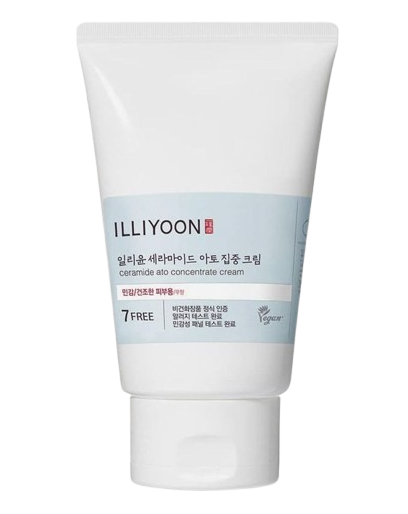
- Dry, flaky, tight: ILLIYOON Ceramide Ato Concentrate Cream
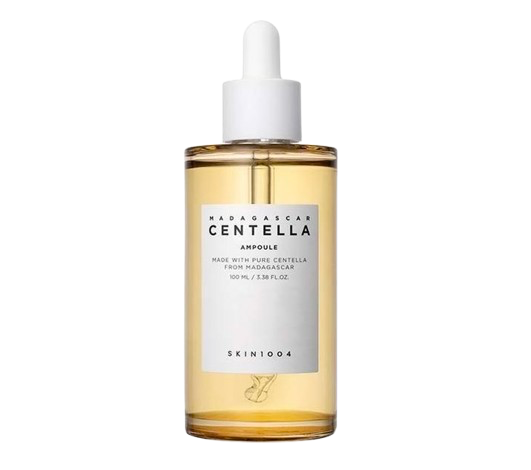
- Red, reactive, irritated: SKIN1004 Madagascar Centella Ampoule
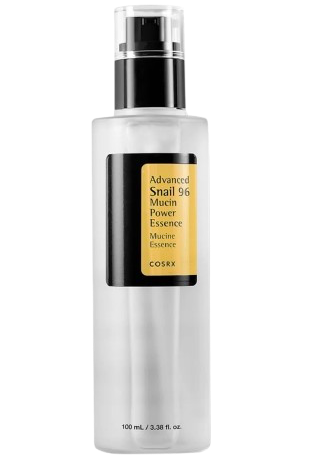
- Congested with a weakened barrier: COSRX Advanced Snail 96 Mucin Power Essence
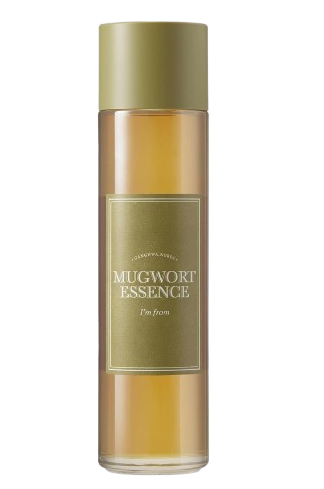
- Redness and clogged pores: I’m From Mugwort Essence
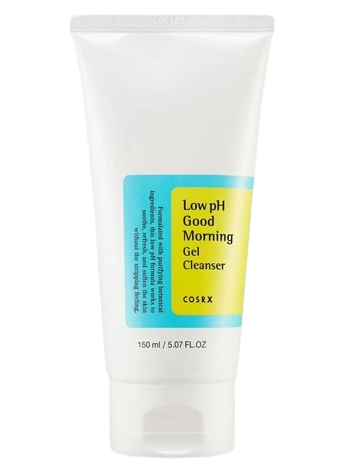
- Daily routine fix: COSRX Low pH Good Morning Gel Cleanser
Dry, Flaky, and Tight → Ceramides + Cholesterol + Fatty Acids
This combination mimics your skin’s own lipid structure, which is why it works better than ceramides alone. The ILLIYOON – Ceramide Ato Concentrate Cream all three and is a staple in Korean dermatology clinics. The same ceramide-first logic shows up in our Korean face moisturizer guide for sensitive and combo skin.
Key ingredient: Ceramides + cholesterol + fatty acids
Red, Reactive, or Constantly Irritated → Centella Asiatica
Centella Asiatica (also called Cica). It reduces inflammation at the source rather than just masking it. The SKIN1004 – Madagascar Centella Ampoule is one of the most effective options available without a prescription.
Key ingredient: Centella asiatica
→ Shop SKIN1004 Centella Ampoule
Congested with a Weakened Barrier → Snail Mucin
If you’re dealing with breakouts and sensitivity at the same time, snail mucin is unusually well-matched for this. It repairs tissue while being light enough not to clog. The COSRX Advanced Snail 96 Mucin Power Essence is the benchmark product for this concern, affordable, effective, and gentle enough for daily use. If breakouts are the bigger issue, our guide to the best Korean serums for acne-prone skin has more targeted picks.
Key ingredient: Snail mucin
→ Shop COSRX Snail Mucin Essence
Redness and Clogged Pores → Mugwort
Mugwort is one of the oldest ingredients in Korean herbal skincare (hanbang) and works as both an anti-inflammatory and a pore clarifier. I’m From Mugwort Essence is one of the purest formulations available.
Key ingredient: Mugwort
→ Shop I’m From Mugwort Essence
The One Routine Change That Makes the Biggest Difference
If you only do one thing after reading this: swap your cleanser.
A gentle, low-pH cleanser is the single most impactful barrier repair change you can make, and it costs less than most serums. The COSRX Low pH Good Morning Gel Cleanser is the most recommended option in Korean skincare for a reason. Protecting that barrier overnight matters too, our guide to silk pillowcases covers how your sleep surface affects repair as well. Everything else you’re using will work better once you stop stripping the barrier twice a day.
Key ingredient: Low-pH formula
Choose based on your main concern:
Swipe to see all columns →
| Concern | Product | Key Ingredient | How It Works |
|---|---|---|---|
| Dry, flaky, tight | ILLIYOON Ceramide Cream | Ceramides + cholesterol + fatty acids | Mimics skin’s lipid structure |
| Red, reactive, irritated | SKIN1004 Centella Ampoule | Centella asiatica | Reduces inflammation at the source |
| Congested + sensitive | COSRX Snail Mucin Essence | Snail mucin | Repairs tissue without clogging |
| Redness + clogged pores | I’m From Mugwort Essence | Mugwort | Anti-inflammatory + pore clarifier |
| Daily routine fix | COSRX Low pH Gel Cleanser | Low-pH formula | Preserves the acid mantle |
Repair first. Everything else comes after.
Barrier repair isn’t about buying more products. It’s about removing the habits that keep breaking it, and then giving your skin one well-chosen ingredient to work with.
Once your barrier is stable, active ingredients like PDRN serums actually have a surface they can penetrate properly, which is when you start seeing real results.
Frequently Asked Questions
How do I know if my skin barrier is damaged?
Common signs include tightness after cleansing, redness or reactivity that seems to come from nowhere, dehydration despite moisturizing, and breakouts that don’t respond to your usual products. If several of these sound familiar, your barrier likely needs repair before anything else.
Can I still use active ingredients while repairing my barrier?
It’s best to pause aggressive actives like retinol and exfoliating acids for at least two weeks while focusing on repair. Once your barrier is stable, those actives will actually absorb and work better.
What does “gentle first, active second” mean?
It’s a Korean dermatology principle that prioritizes creating the conditions for your skin to repair itself, rather than treating it harder. That means a low-pH cleanser and one targeted repair ingredient, instead of stacking multiple actives at once.
Is a low-pH cleanser really that different from a regular one?
Yes. Most foaming cleansers have a high pH that disrupts your skin’s natural acid mantle, causing that squeaky clean tightness. A low-pH, non-foaming cleanser preserves that protective layer instead of stripping it.
What’s the difference between centella and mugwort for redness?
Centella asiatica reduces inflammation at the source and is well-studied for reactive, irritated skin. Mugwort works as both an anti-inflammatory and a pore clarifier, making it better suited if redness is paired with clogged pores.
Can snail mucin help with both breakouts and sensitivity?
Yes. Snail mucin is unusually well-matched for congested, weakened barriers because it repairs tissue while staying light enough not to clog pores, addressing both concerns at once.
How long does it take to repair a damaged skin barrier?
Many people notice less tightness and reactivity within one to two weeks of simplifying their routine and switching to a low-pH cleanser. Full barrier recovery can take four to six weeks of consistent, gentle care.